
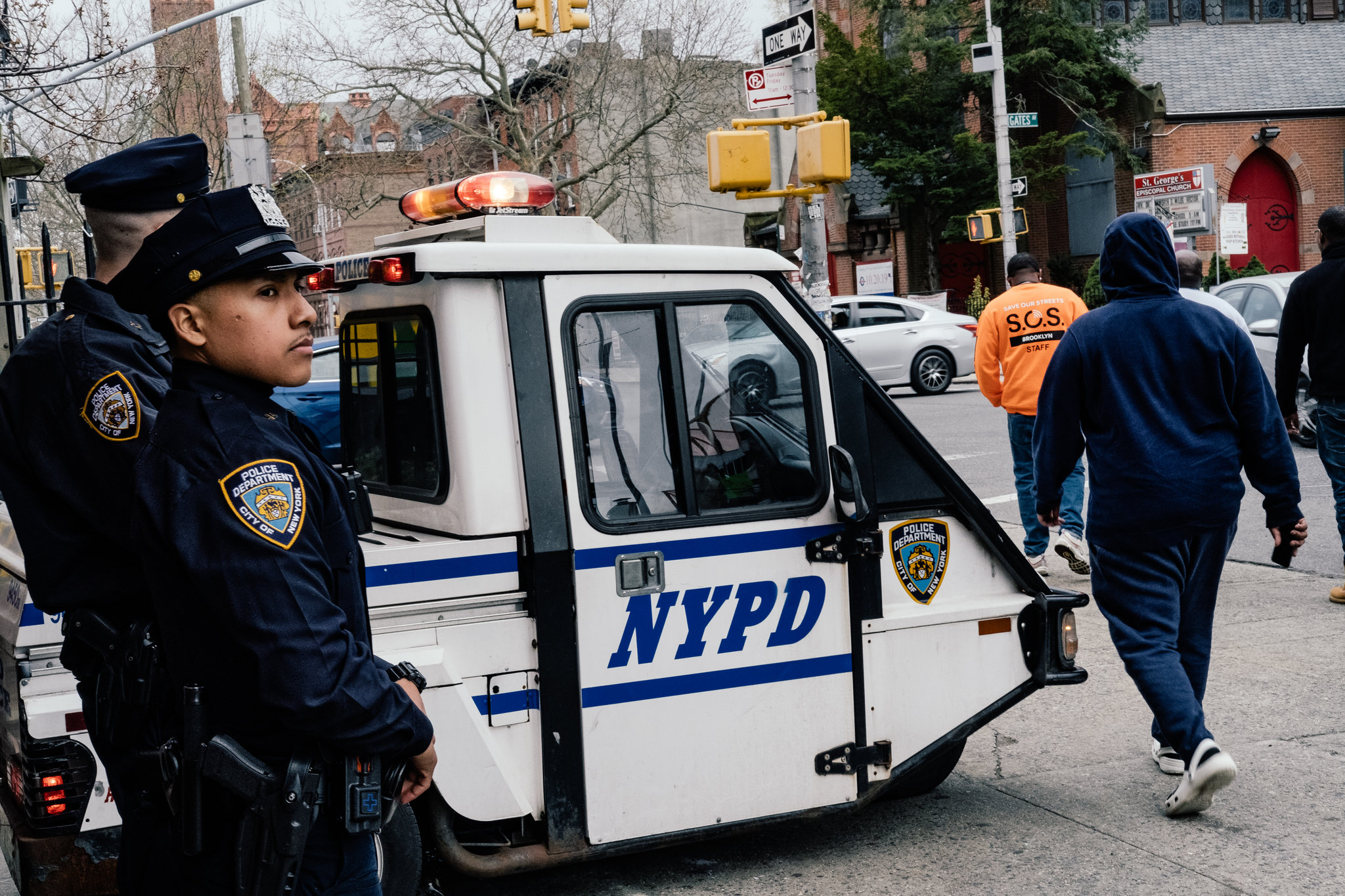
New York City is recording less serious crime in 2026, but the improvement is not evenly spread across the five boroughs.
Through July, the NYPD recorded 63,710 complaints across the seven major felony categories. That was 6.5% fewer than during the same period in 2025. Murders fell by almost 21%, robberies by 12%, burglaries by nearly 15% and vehicle thefts by more than 12%.
Felony assault remains the stubborn exception. Police recorded 17,032 felony assaults during the first part of 2026, virtually unchanged from the previous year. Several precincts in the Bronx and eastern Brooklyn continue to report hundreds of assaults, even when their overall crime totals are falling.
That is why a citywide figure tells only part of the story. A tourist protecting a phone in Midtown faces a different risk from a resident dealing with repeated gun violence near a housing development. Both appear in crime data, but they should not be treated as the same problem.
No official NYPD list ranks complete neighborhoods from most to least dangerous. Police publish statistics by precinct, and precinct boundaries do not line up perfectly with neighborhood borders. Midtown also receives millions of commuters, shoppers and tourists, making its raw totals difficult to compare with those of a residential community.
Our list uses the latest available 2026 NYPD crime statistics, the kinds of offenses reported in each precinct and the conditions a visitor or resident is likely to encounter.
Crime in New York City in 2026
| Crime category | 2026 through July 26 | Same period in 2025 | Change |
|---|---|---|---|
| Murder | 148 | 187 | Down 20.9% |
| Rape | 1,226 | 1,180 | Up 3.9% |
| Robbery | 7,453 | 8,473 | Down 12% |
| Felony assault | 17,032 | 17,029 | Unchanged |
| Burglary | 6,184 | 7,265 | Down 14.9% |
| Grand larceny | 24,958 | 26,365 | Down 5.3% |
| Vehicle theft | 6,709 | 7,652 | Down 12.3% |
| All seven major felonies | 63,710 | 68,151 | Down 6.5% |
The decline is significant. New York recorded 39 fewer murders, more than 1,000 fewer robberies and over 1,000 fewer burglaries than it did during the same part of 2025.
Other figures need attention. Reported rapes increased, misdemeanor assaults rose by 1.9% and hate crimes were up by almost 5%. Transit crime also increased slightly, although the total remained small compared with the number of daily subway journeys.
Neighborhoods where extra caution is justified
| Rank | Neighborhood | Borough | Main concern in 2026 |
|---|---|---|---|
| 1 | Mott Haven | Bronx | Felony assault and robbery |
| 2 | East New York | Brooklyn | Assault, shootings and vehicle theft |
| 3 | Fordham | Bronx | Rising assault and robbery totals |
| 4 | Highbridge | Bronx | Assault, robbery and gun violence |
| 5 | Tremont | Bronx | Assault and shooting incidents |
| 6 | Bushwick | Brooklyn | Sharp rise in robbery and assault |
| 7 | Brownsville | Brooklyn | Felony assault and gun violence |
| 8 | Bedford-Stuyvesant | Brooklyn | Assault, robbery and theft |
| 9 | East Harlem | Manhattan | Assault and street theft |
| 10 | Hunts Point | Bronx | Assault and isolated industrial streets |
10. Hunts Point
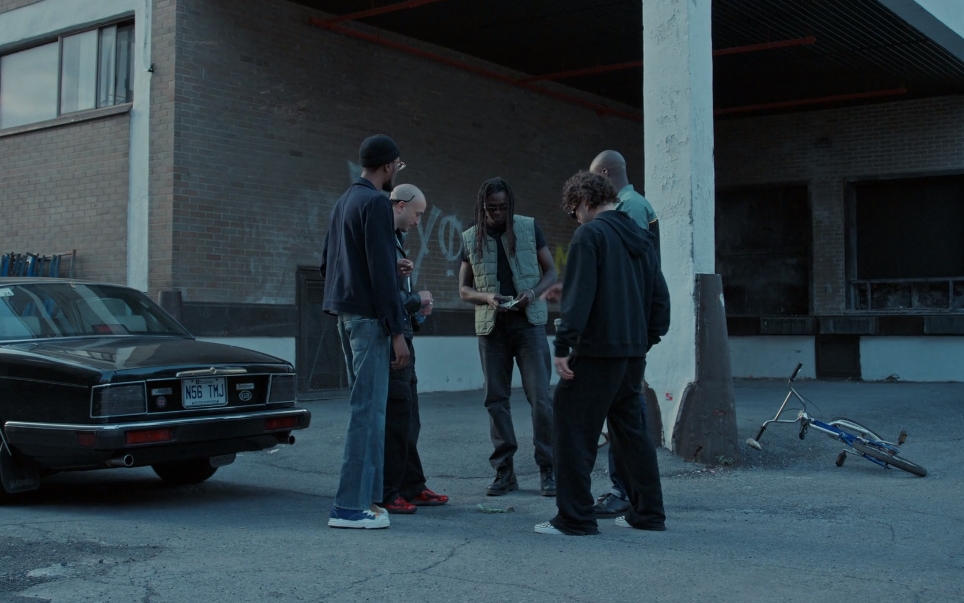
Hunts Point occupies an industrial peninsula in the South Bronx. Warehouses, truck depots and the Hunts Point Food Distribution Center shape much of the neighborhood.
Its layout creates a practical safety issue that statistics alone do not show. Commercial streets remain active during working hours, but warehouse blocks can become empty after businesses close. A visitor who leaves the main route may quickly find few pedestrians, open stores or places to ask for help.
The neighborhood is covered mainly by the 41st Precinct. Police recorded 645 major felonies through July 26, compared with 877 during the same period in 2025. That was a decline of more than 26%.
Robbery fell from 152 to 105 cases. Felony assault dropped from 250 to 186, while reported vehicle theft was cut by more than half. Shooting incidents also fell from seven to five.
The fall in crime is encouraging and should be acknowledged. Hunts Point is no longer accurately described through decades-old stories about abandoned buildings and uncontrolled street crime.
Is Hunts Point safe?
People visiting the food market, local businesses or community organizations complete their journeys without trouble every day. The main precaution is to know the destination before arriving.
Avoid an unplanned walk through industrial streets after dark. Use busy routes, arrange transportation in advance and do not leave tools, luggage or electronics visible inside a parked vehicle.
9. East Harlem
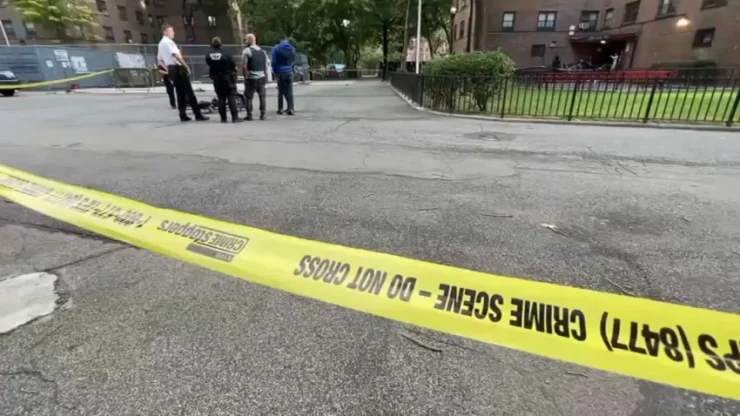
East Harlem extends north of the Upper East Side and includes residential buildings, large public housing developments, hospitals, schools and busy commercial streets.
The southern part of the neighborhood falls within the 23rd Precinct, where major felonies declined by more than 16% during the first part of 2026. The precinct recorded no murders through July 26, compared with two during the same period in 2025.
Robberies dropped by almost 26%, burglaries by nearly 34% and felony assaults by just over 10%. The total number of major felonies fell from 778 to 651.
Petty theft moved in the other direction. Reports increased by almost 15%, which matters around crowded stores, bus stops and subway entrances. A stolen phone or wallet is a more realistic visitor concern than the dramatic violence associated with East Harlem in old reports.
Where is greater awareness needed?
Pay attention around 125th Street, Lexington Avenue and crowded subway platforms. Keep phones away from train doors and close bags before entering a busy station.
East Harlem is also home to El Museo del Barrio, the Museum of the City of New York, long-standing restaurants and an important Puerto Rican cultural community. Visiting the neighborhood does not require fear. It requires the same direct route and awareness expected in other busy parts of Manhattan.
8. Bedford-Stuyvesant
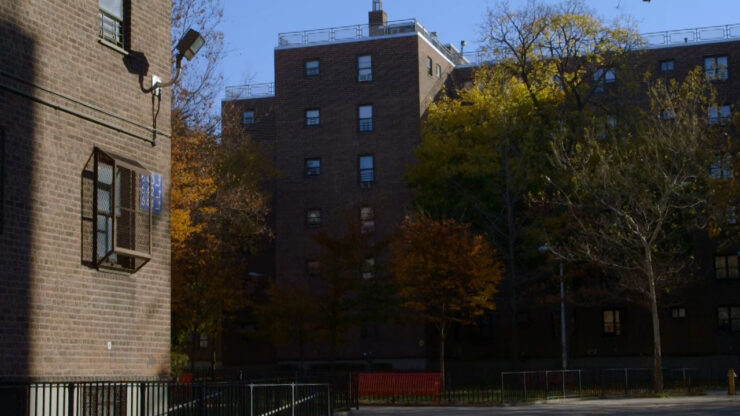
Bedford-Stuyvesant is too large and varied to describe as a single uniform area. Restored brownstones, public housing developments, small businesses and nightlife districts sit within the same neighborhood.
Western Bed-Stuy is served by the 79th Precinct. Police recorded 745 major felonies through July 26, down from 779 during the same period in 2025.
Felony assaults fell from 269 to 232, robberies declined from 117 to 107 and shooting incidents dropped from 11 to seven. Grand larceny rose from 229 to 244.
The figures describe a neighborhood that is safer than its older reputation suggests but still has clear differences from block to block. Fulton Street and Nostrand Avenue remain busy well into the evening, while some residential streets become quiet quickly.
What visitors should know
Know which train entrance or bus stop you need before leaving a restaurant, theater or event. Walking several blocks in the wrong direction late at night can move a visitor from a crowded avenue to an unfamiliar residential area.
The neighborhood’s cultural life should not be ignored. The Billie Holiday Theatre, historic churches and blocks of distinctive brownstones remain important parts of Brooklyn.
7. Brownsville

Brownsville has one of the most persistent high-crime reputations in New York. Much of that reputation comes from decades of concentrated poverty, public housing neglect and gun violence.
The current picture is more complicated. The 73rd Precinct recorded 966 major felonies through July 26, down 14.3% from the same period in 2025.
Robbery declined by 21%, felony assault by 10% and grand larceny by more than 16%. Shooting incidents fell from 19 to 12, while the number of shooting victims dropped from 23 to 15.
Felony assault remains high, with 429 reports during the period. Brownsville therefore continues to face serious violence even as several indicators move in the right direction.
Gun violence is lower but remains a concern
Violence in Brownsville is not evenly distributed across the neighborhood. A small number of streets, personal conflicts and housing developments account for a disproportionate share of shootings and assaults.
Community violence-interruption programs, local organizations and targeted policing have helped reduce shootings. The result does not make every street safe, but it does challenge the idea that conditions never improve.
Visitors should have a clear destination and return route. Avoid walking between unfamiliar housing buildings after dark and wait for transportation near an open business or active intersection.
6. Bushwick
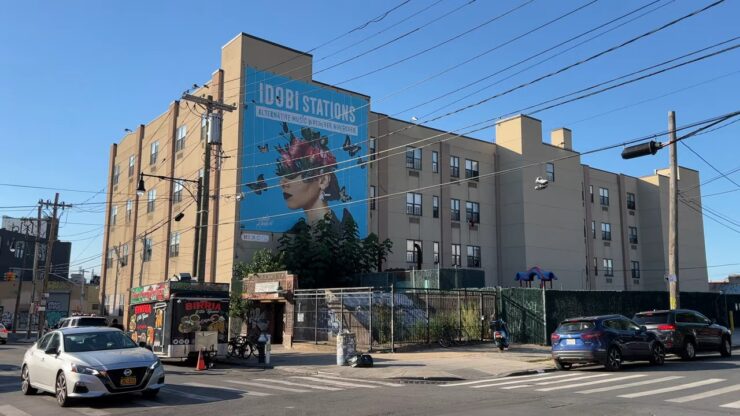
Bushwick stands apart from most neighborhoods on this list because crime is rising sharply in 2026 rather than continuing to fall.
The 83rd Precinct recorded 1,094 major felonies through July 26, up from 875 during the same period in 2025. That was an increase of 25%.
Robbery rose by 37%, felony assault by almost 42%, burglary by more than 41% and grand larceny by nearly 24%. Vehicle theft declined, and shootings fell sharply, but those improvements did not offset increases in the other categories.
Bushwick’s nightlife changes its safety pattern. Crowded bars, music venues, warehouse events and rideshare pickup areas bring large numbers of people onto the streets late at night. Alcohol and disputes outside venues contribute to assault risk, while unattended phones and bags attract thieves.
How to reduce the risk on a night out
Travel with friends, keep the phone in a secure pocket and confirm a rideshare vehicle before entering. Wait inside the venue until the driver arrives instead of standing alone on a quiet industrial block.
Bushwick remains a creative and residential neighborhood rather than a place that should simply be avoided. The 2026 increase does mean visitors should take the late-night environment seriously.
5. Tremont
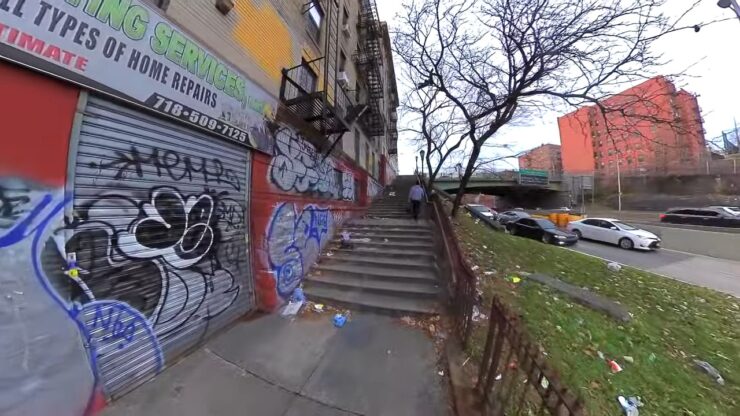
Tremont is in the Bronx, not Brooklyn. The neighborhood includes residential streets, commercial sections and several communities covered by the 48th Precinct.
Crime moved in a better direction during the first part of 2026. The precinct recorded 1,249 major felonies, down 12.5% from one year earlier.
Murders fell from 11 to three. Robberies declined by more than 35%, and felony assaults dropped by about 10%. Shooting incidents increased slightly, from 16 to 17.
The figures show genuine progress, but 396 felony assaults remain a serious number. A lower overall total does not mean residents no longer deal with violent disputes and isolated shootings.
Staying safer in Tremont
Use active streets around East Tremont Avenue and major transit stops. Residential side streets become much quieter late at night, particularly for someone who does not know the area.
Drivers should remove bags and electronics before parking. Pedestrians who encounter erratic or aggressive behavior should move toward a store, staffed station or crowded intersection rather than respond.
4. Highbridge
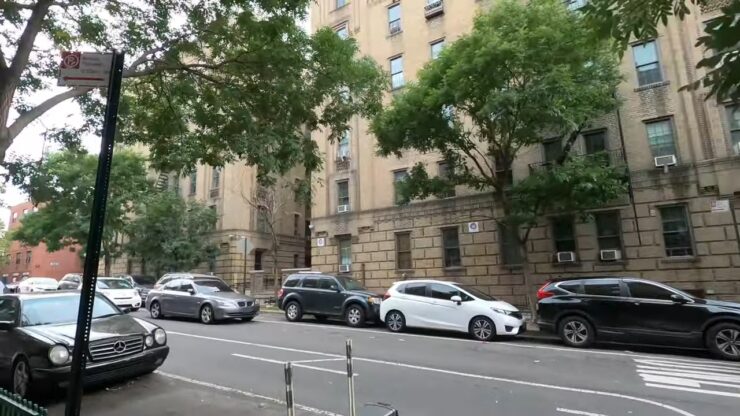
Highbridge sits above the Harlem River in the western Bronx. Apartment buildings, steep streets, parks and commercial avenues shape the neighborhood.
Most of Highbridge is covered by the 44th Precinct, which also includes Yankee Stadium and nearby sections of the South Bronx.
The precinct recorded 1,532 major felonies through July 26, down 10.3% from the same period in 2025. Robbery, felony assault, grand larceny and vehicle theft all declined.
Felony assault remained the largest category, with 567 complaints. Shooting incidents increased from 13 to 15, while burglary rose modestly.
Game days create a different kind of risk
Yankees games and major events fill nearby stations, sidewalks and businesses. Crowds create opportunities for phone theft and pickpocketing, particularly on platforms and escalators.
Conditions change after the crowds leave. Avoid stairways, parks and shortcuts that become isolated after dark. Stay on main streets until reaching the intended station or vehicle.
3. Fordham
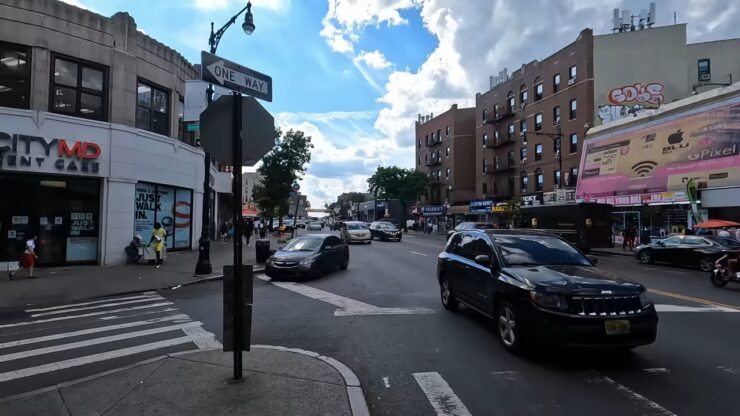
Fordham Road is one of the Bronx’s busiest shopping and transportation corridors. Students, commuters, street vendors, shoppers and buses crowd the area throughout the day.
Fordham crosses more than one police precinct. The 46th Precinct, which covers Fordham Heights and parts of West Tremont, recorded an 8.3% increase in major felonies through July 26.
Felony assaults increased by almost 23%, rising from 512 to 629. Robberies rose by almost 9%, burglaries by 13% and murders increased from four to nine.
Vehicle theft fell by one-third, but that improvement does not cancel the rise in violent crime.
Readers considering a move should also review our guide to living in the Bronx, including transport, housing and daily costs.
Fordham Road during busy hours
Crowded sidewalks make wallet and phone theft easier. Keep purchases closed inside a bag and avoid checking a phone while stepping into the road or boarding a packed bus.
The area feels different after stores close. Remain on well-lit commercial routes and avoid empty side streets when walking between a station and a destination.
2. East New York
East New York covers a large part of eastern Brooklyn. Residential streets, industrial land, public housing developments and major subway connections all fall within the neighborhood.
The 75th Precinct recorded 1,686 major felonies through July 26, down almost 9% from 2025.
Robbery fell by more than 17%, burglary by almost 27% and grand larceny by nearly 14%. Felony assault rose from 587 to 611, and murders increased from seven to nine. Shooting incidents remained unchanged at 26.
Vehicle theft also remains relevant, with 226 reports during the period. Drivers should remove valuables, use secure parking when available and check that doors are locked before walking away.
East New York changes from one section to another
Broadway Junction has constant train traffic, police presence and commuters. Surrounding blocks can become quiet almost immediately after leaving the station.
Know which exit leads toward the destination before reaching the platform. A wrong turn can add several unfamiliar blocks to the journey.
East New York should not be treated as one dangerous block stretching across eastern Brooklyn. Risk differs around Cypress Hills, New Lots, Broadway Junction and the industrial border with Queens.
1. Mott Haven
Mott Haven lies just north of the Harlem River. New waterfront apartments and restaurants now sit close to long-standing housing developments, residential streets and industrial properties.
The area is covered primarily by the 40th Precinct, which recorded 1,808 major felonies through July 26. That was the highest total among the mainly residential precincts examined in this article.
The total was still almost 8% lower than during the same part of 2025. Robbery fell by 14.5%, burglary by 17% and vehicle theft by more than 25%.
Felony assault moved in the wrong direction. Police recorded 629 cases, up from 585 one year earlier. The precinct also reported 17 shooting incidents and 19 shooting victims.
New development has not changed every block
Mott Haven’s waterfront development has changed the appearance and cost of parts of the neighborhood. It has not produced the same lighting, foot traffic or commercial activity on every surrounding street.
A visitor leaving a new restaurant or apartment building should confirm the route to the nearest station. Arrange a ride after a late event rather than assuming the streets between the waterfront and subway will remain busy.
Midtown is difficult to rank
Midtown appears near the top of many online lists because it records a large number of crimes. Raw totals do not explain why.
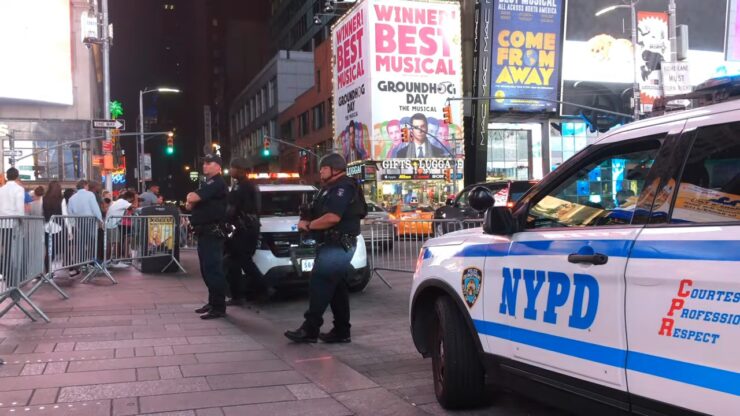
Midtown South includes Times Square, Herald Square, Penn Station, major retailers, hotels, office towers and Broadway attractions. Its daily population is far greater than its residential population.
The precinct recorded 1,611 major felonies through July 26, down 10.5% from 2025. Grand larceny accounted for 993 cases, more than 60% of the total.
Midtown’s practical risk is theft. Crowded sidewalks, subway platforms, stores and tourist attractions provide opportunities for pickpocketing, phone theft and scams.
Gun violence remains rare compared with several residential precincts. Midtown South recorded two shooting incidents during the period.
How to protect belongings in Midtown
Keep a bag zipped in Times Square, do not place a phone on a restaurant table and ignore strangers attempting to create a distraction near an ATM or ticket machine.
Stand away from subway doors when using a phone. A thief can grab it as the doors close and leave the train before the victim can react.
How to stay safer in New York City
Neighborhood lists are less useful than knowing what to do in a specific situation. Most visitors will not become crime victims, including when they travel through one of the areas covered here.
- Plan the final part of the trip. Know the correct station exit and street before arriving.
- Use active routes. A longer walk along a lit commercial avenue is better than an unfamiliar shortcut.
- Secure the phone. Keep it away from subway doors and do not leave it on a table.
- Remove valuables from vehicles. Bags, tools and electronics should not remain visible.
- Wait indoors for a ride. Confirm the vehicle and driver before getting inside.
- Walk away from arguments. Do not respond to insults, aggressive behavior or attempts to provoke a confrontation.
- Call 911 during an immediate emergency. Use 311 for non-emergency city complaints and services.
Residents concerned about burglary or package theft can also compare home security systems, exterior lighting and entry sensors.
How the neighborhoods were selected
The list uses preliminary NYPD CompStat figures covering January 1 through July 26, 2026.
We reviewed murder, rape, robbery, felony assault, burglary, grand larceny and vehicle theft. Shooting incidents, housing crime, transit crime and the direction of change from 2025 were also considered.
The ranking is not based on raw totals alone. Midtown records many thefts because a huge number of people enter the area each day. A residential precinct with fewer total crimes may have a more serious concentration of assault or gun violence.
Precincts and neighborhoods are not identical. Bedford-Stuyvesant, Fordham, East Harlem and Tremont cross police boundaries, so one precinct report cannot represent every street.
Reported crime is also an incomplete measure. Some offenses are never reported, and preliminary figures can be revised after police conduct further analysis.
Frequently asked questions
What is the most dangerous neighborhood in New York City in 2026?
New York City does not publish an official neighborhood ranking. Mott Haven stands out for its high number of felony assaults and total major felonies, while East New York, Fordham and Highbridge also require added attention.
Is New York City becoming more dangerous?
Not according to the main 2026 citywide figures. Major felony complaints fell by 6.5%, and murder, robbery, burglary and vehicle theft all declined. Felony assault remained unchanged, while reported rape increased.
Is Times Square dangerous?
Times Square has heavy foot traffic and a visible police presence. Pickpocketing, scams, phone theft and other forms of larceny present a greater risk than gun violence.
Is the Bronx safe for tourists?
The Bronx is a large borough with universities, parks, cultural attractions, residential neighborhoods and shopping districts. Conditions differ by street and time of day. A planned route and extra care after dark are more useful than avoiding the entire borough.
Which neighborhood has experienced the largest increase?
Bushwick’s 83rd Precinct recorded a 25% increase in major felonies through July 26. Robbery, felony assault, burglary and grand larceny all rose.
Should visitors avoid every neighborhood on the list?
No. Each area contains homes, businesses and community institutions. Visit with a destination, know the return route and avoid wandering through unfamiliar streets late at night.
Final word
New York City is safer in several important ways in 2026. Fewer people have been murdered, robbed or had a vehicle stolen than during the same period in 2025.
The progress is not uniform. Mott Haven and East New York still report hundreds of felony assaults. Fordham has moved in the wrong direction, and Bushwick has recorded a sharp increase in several major crime categories.
Old reputations are not enough to describe current conditions. Hunts Point, Brownsville and East Harlem all recorded meaningful declines that disappear when an article relies on crime stories from decades ago.
The street, hour and reason for being there matter more than a neighborhood label. Know the route, protect valuables and avoid quiet shortcuts after dark. Those habits reduce risk in every part of New York, including areas that never appear on a dangerous-neighborhood list.