
When news breaks about a fatal tiger attack, your first thought might be India or another part of Asia where tigers live in the wild. You imagine someone walking through a forest, perhaps getting too close to an animal they never saw coming.
But the latest tragedy happened in England, at a wildlife park near Doncaster in South Yorkshire. A man died on Saturday, October 10, after entering an enclosure occupied by an endangered Amur tiger. Emergency services rushed to the park, but they could not save him.
The incident is shocking enough on its own. What makes it even harder to understand is that the man entered an area specifically designed to keep visitors separated from the animals. Police are still investigating how and why he went inside.
Yorkshire Wildlife Park has since confirmed that the tiger, named Altai, is safe and will not be euthanized.
What Happened at Yorkshire Wildlife Park?
South Yorkshire Police received reports of a man entering the tiger enclosure at 1:35 p.m. on Saturday, October 10. Officers and emergency medical teams responded, but the man’s injuries were fatal.
In an official statement issued Saturday evening, police confirmed that the man was pronounced dead at the scene despite the efforts of medical personnel.
His identity had not been publicly released in the initial reports. Police confirmed that his family had been informed and was receiving support from specialist officers.
The tiger remained inside its enclosure throughout the incident. Officers said there was no wider danger to visitors or the surrounding community.
Staff evacuated the park as emergency crews responded. Yorkshire Wildlife Park also closed on Sunday, October 11, giving investigators access to the scene and allowing staff time to receive support.
The central question remains unanswered. How did a visitor enter a secured tiger enclosure, and what happened in the moments before the attack?
Witnesses Say the Man Had Been Enjoying His Visit
Some of the details reported by people who were at the park make the tragedy particularly difficult to comprehend.
According to The Guardian’s October 11 reporting, visitor Marie Miller said she had seen the man enjoying the tiger exhibit before the incident.
She described him dancing while wearing earphones and asking another visitor to take a photograph with a tiger in the background.
Those observations offer a glimpse of what happened before the attack, but they do not establish why the man later entered the enclosure.
Other visitors described confusion as staff closed off sections of the park and directed people toward the exits. Some did not know what had happened until after they left.
Video footage of the attack has circulated online. Police have asked people not to share it, recognizing how distressing it would be for the man’s family and others who witnessed the incident.
There is no need to watch someone’s final moments to understand the seriousness of what happened.
Who Is Altai, the Tiger Involved in the Fatal Attack?
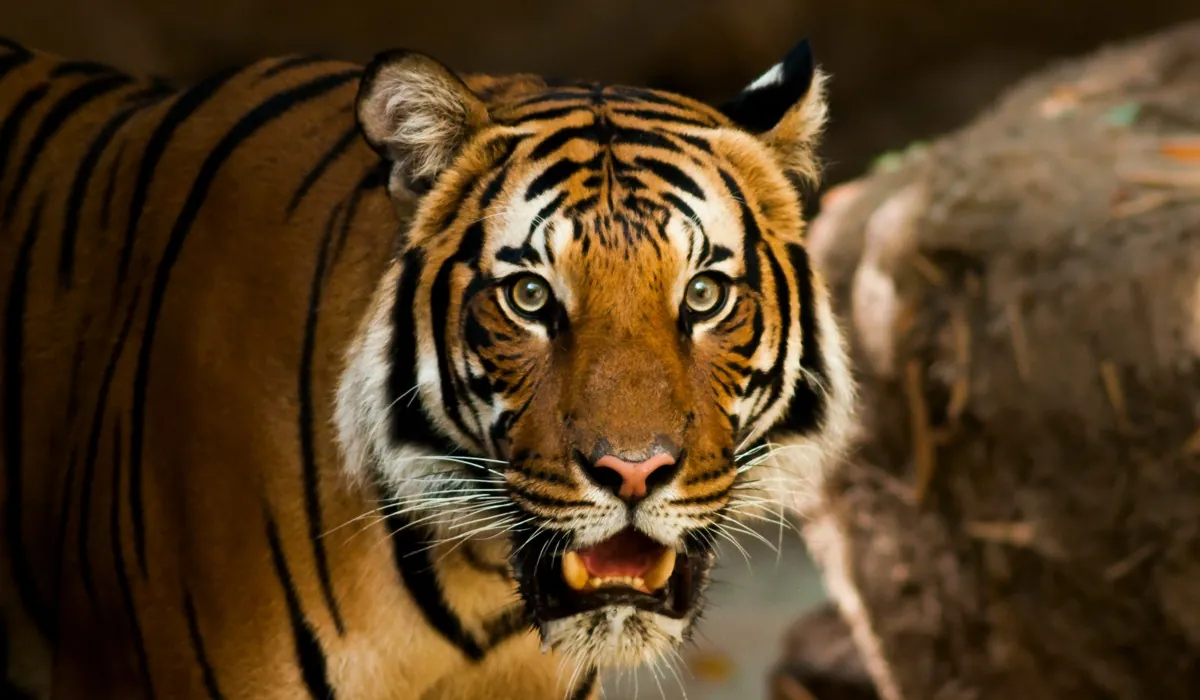
Altai is an Amur tiger, also known as a Siberian tiger, one of the most endangered big cats in the world.
According to The Independent’s reporting on the animal, Altai arrived at Yorkshire Wildlife Park from a zoo in Norway in 2025 as part of a conservation breeding effort.
The park’s Land of the Tigers attraction opened in 2011 and includes a purpose-built reserve covering two acres. Visitors normally observe the animals from an elevated walkway rather than entering their habitat.
Amur tigers are native to the Russian Far East and northeastern China. Their wild populations have been threatened by habitat loss, poaching, and the decline of prey animals.
They are also powerful predators. Even a tiger that has spent its entire life in a managed wildlife facility retains the strength and instincts of a wild animal.
Seeing one from a safe viewing platform is a remarkable experience. Being inside its enclosure is something entirely different.
Why Will the Tiger Not Be Euthanized?
On Sunday, October 11, Yorkshire Wildlife Park confirmed that Altai would not be put down following the attack.
The park said the animal was safe and well. The decision came after considerable public concern about what would happen to the tiger.
In its coverage of the decision, the Associated Press reported that the man had entered the enclosure and that the animal had remained inside the secured area after the incident.
It is an important detail. Authorities were not dealing with an escaped tiger roaming a public area. The animal had stayed within its enclosure.
The decision not to euthanize Altai is understandable. A tiger responding to a person inside its territory is not acting with human judgment or intent. Wildlife parks have a responsibility to protect visitors from dangerous animals precisely because those animals remain dangerous, regardless of how long they have lived in captivity.
None of that diminishes the horror of the man’s death or the suffering of his family.
The harder questions concern how he reached the enclosure, the safeguards in place, and the response once staff realized what was happening.
How Could Someone Enter a Tiger Enclosure?
Yorkshire Wildlife Park is a major visitor attraction near Doncaster, with designated viewing areas intended to keep people at a safe distance from the animals.
The park’s Amur tiger reserve includes an elevated walkway overlooking the habitat. Under normal circumstances, visitors have no reason to enter the animals’ living area.
Some media reports have described the man crossing safety barriers before entering the enclosure. Investigators have not yet published a complete account explaining the route he took or how the barriers were overcome.
Police will need to establish the circumstances, and any examination of park safety procedures should be based on the evidence collected.
A fatal incident does not automatically prove that a wildlife park operated negligently. Equally, the presence of barriers does not answer every question about how a visitor got past them.
The public deserves a clear account of what happened, especially because thousands of families visit wildlife parks expecting the viewing areas to be secure.
Could Anyone Have Stopped the Attack?
The attack happened in circumstances where staff and emergency responders had very little time to act.
Reports from the scene described attempts to distract the tiger as emergency teams responded. The exact sequence of those efforts has not yet been fully established through the investigation.
Large predators can inflict fatal injuries extremely quickly. Entering an enclosure to rescue someone can also place additional people in immediate danger.
Wildlife park staff are trained to manage dangerous animals, but an emergency involving a person inside a predator enclosure presents an exceptionally difficult situation.
The park has not released a detailed public account of every action staff took during the attack. Any judgment about the response should wait for those facts.
The Tragedy Has Raised Questions About Wildlife Park Safety
Fatal tiger attacks in Britain are rare, and that is part of why this incident has attracted so much attention.
Millions of people visit zoos and wildlife parks to see animals they would never encounter in their everyday lives. Those visits depend on a simple expectation that visitors will remain separated from dangerous species.
In England, zoos are subject to licensing and inspection requirements under the Zoo Licensing Act 1981. The UK government guidance on zoo licensing explains the legal framework covering zoo operation and inspections.
Safety procedures cover barriers, animal enclosures, emergency planning, and the protection of visitors and staff.
The existence of these rules does not tell us what happened at Yorkshire Wildlife Park on October 10. Investigators must establish the sequence of events before drawing conclusions about the effectiveness of the park’s safeguards.
For other wildlife attractions, the incident is a grim reminder of why keeping visitors away from predator enclosures is so important.
A Tragedy That Is Difficult to Comprehend
It is difficult to imagine how an ordinary visit could end so terribly.
There is also a temptation to search for an immediate explanation. People want to know why he went inside, how he passed the barriers, and what the park could have done.
Those questions are reasonable, but guessing about his intentions would be unfair to him and his family. The police investigation has not yet provided the answers.
What is known is tragic enough. A man died, witnesses saw an event they will struggle to forget, and park workers had to respond to an emergency involving one of the most dangerous animals in their care.
Altai will live. The man’s family will have to live with a loss that should never be reduced to another shocking video circulating online.
For now, the most important answers must come from the investigation, rather than speculation about the final moments of a man whose name has not yet been publicly released.