
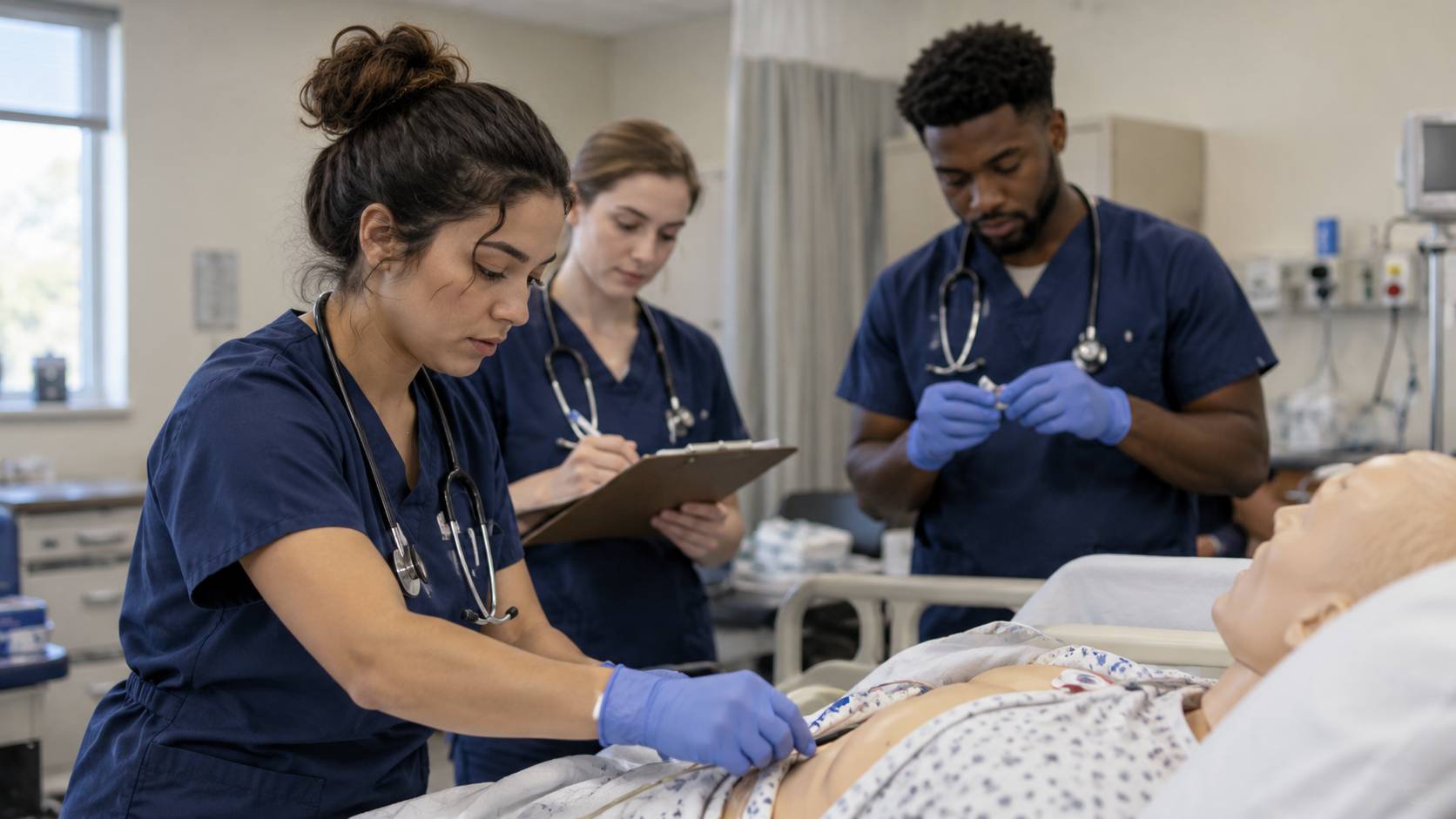
Working in healthcare does not automatically mean spending four years at a university.
Many entry-level positions rely on focused vocational education, hands-on training, and professional certification instead of a bachelor’s degree.
Certificate programs usually concentrate on the exact skills needed for a particular job.
Students may study medical terminology, safety procedures, equipment use, patient care, healthcare documentation, or insurance processes without completing years of unrelated coursework.
Certification and licensing rules are not identical nationwide. State regulations and employer policies can determine which credentials a worker needs, so students should check local requirements before enrolling in any training program.
1. Massage Therapists
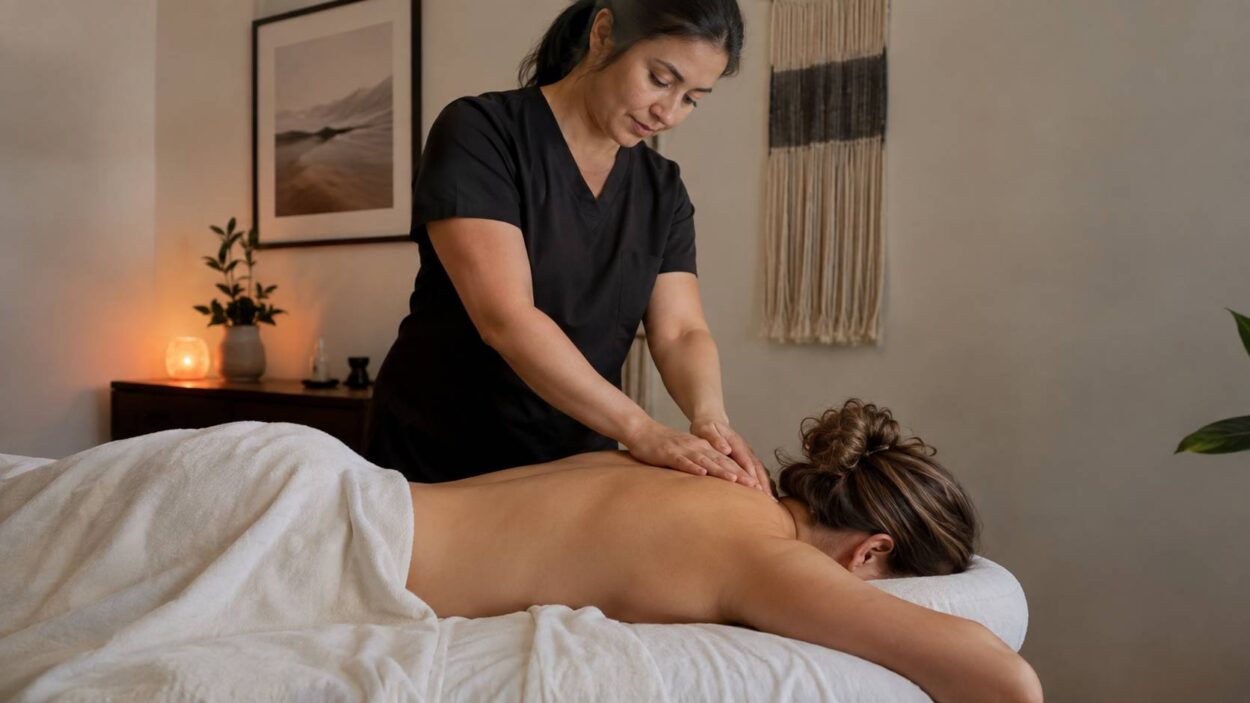
Massage therapists use hands-on techniques to work with muscles and other soft tissues.
Many work in wellness centers, rehabilitation settings, chiropractic offices, sports facilities, spas, and private practices.
What Massage Therapists Do
Daily work usually focuses on evaluating client needs and applying massage techniques intended to reduce muscle tension, improve mobility, or support relaxation and recovery.
- Discussing pain, tension, mobility issues, and treatment goals with clients
- Performing therapeutic massage techniques
- Adjusting pressure and technique based on client comfort
- Keeping treatment areas clean and prepared
- Recording client notes when required
- Following safety, hygiene, and professional conduct standards
Some massage therapists work closely with chiropractors, physical therapy practices, or other healthcare professionals, while others work primarily in wellness or private-practice settings.
Training and Certification
It is usually required to complete a postsecondary training program rather than a four-year university degree to become one of the licensed massage therapists.
Programs often cover anatomy, physiology, massage techniques, ethics, client communication, injury prevention, and hands-on practice. Clinical or supervised practical hours are also common.
Licensing requirements vary significantly by state. Many states require graduates to complete an approved massage therapy program and pass a recognized licensing examination, such as the Massage and Bodywork Licensing Examination, commonly known as the MBLEx.
Local regulations can also affect required training hours, background checks, continuing education, and license renewal.
Why Consider Massage Therapy?
Massage therapy can work well for someone who prefers hands-on care and regular one-on-one interaction with clients.
Work settings are also varied. Therapists may work for clinics, wellness businesses, sports organizations, hotels, or themselves.
2. Medical Assistant
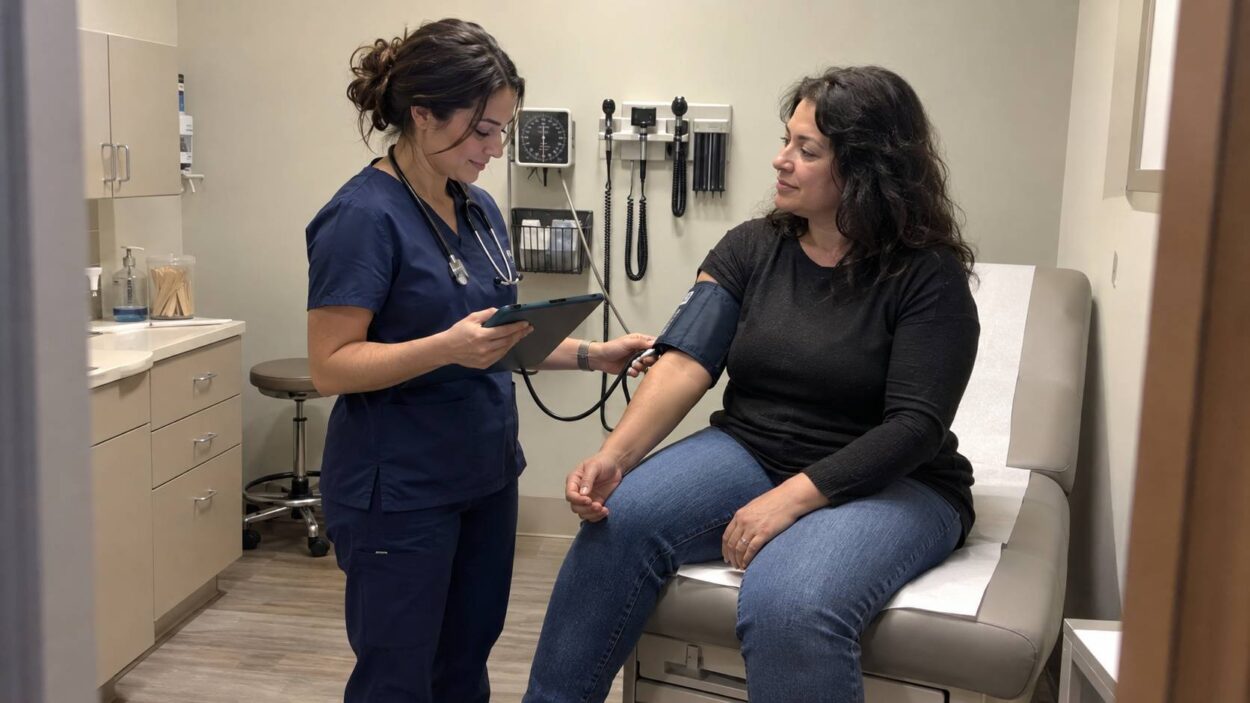
Medical assistants often handle both patient care and administrative work, making the role one of the broader entry-level options in healthcare.
What Medical Assistants Do
Daily responsibilities can change depending on the workplace.
A medical assistant at a family practice may spend much of the day taking vital signs and preparing examination rooms, while someone in a specialty clinic may perform more focused clinical tasks.
- Taking vital signs and medical histories
- Preparing patients for examinations
- Setting up examination rooms
- Assisting healthcare providers during exams
- Scheduling appointments
- Updating patient records
Administrative responsibilities also make medical assistants valuable in smaller practices where employees frequently handle several types of work during one shift.
Training and Certification
Postsecondary certificate and diploma programs offer an alternative to a traditional university program. Coursework often combines classroom instruction with practical clinical training.
Possible credentials include the Certified Clinical Medical Assistant, commonly known as CCMA, along with other medical assisting certifications.
Program length varies considerably. Some medical assistant programs can be completed in about nine months, while accelerated options may take less time.
Why Consider Medical Assisting?
Medical assisting can suit someone who wants regular patient contact but also enjoys administrative tasks.
Exposure to multiple areas of a medical office can also help workers decide which healthcare specialty interests them most.
Experience with vital signs, patient records, basic procedures, and clinical workflow may later support additional training in another medical field.
3. Dental Assistant
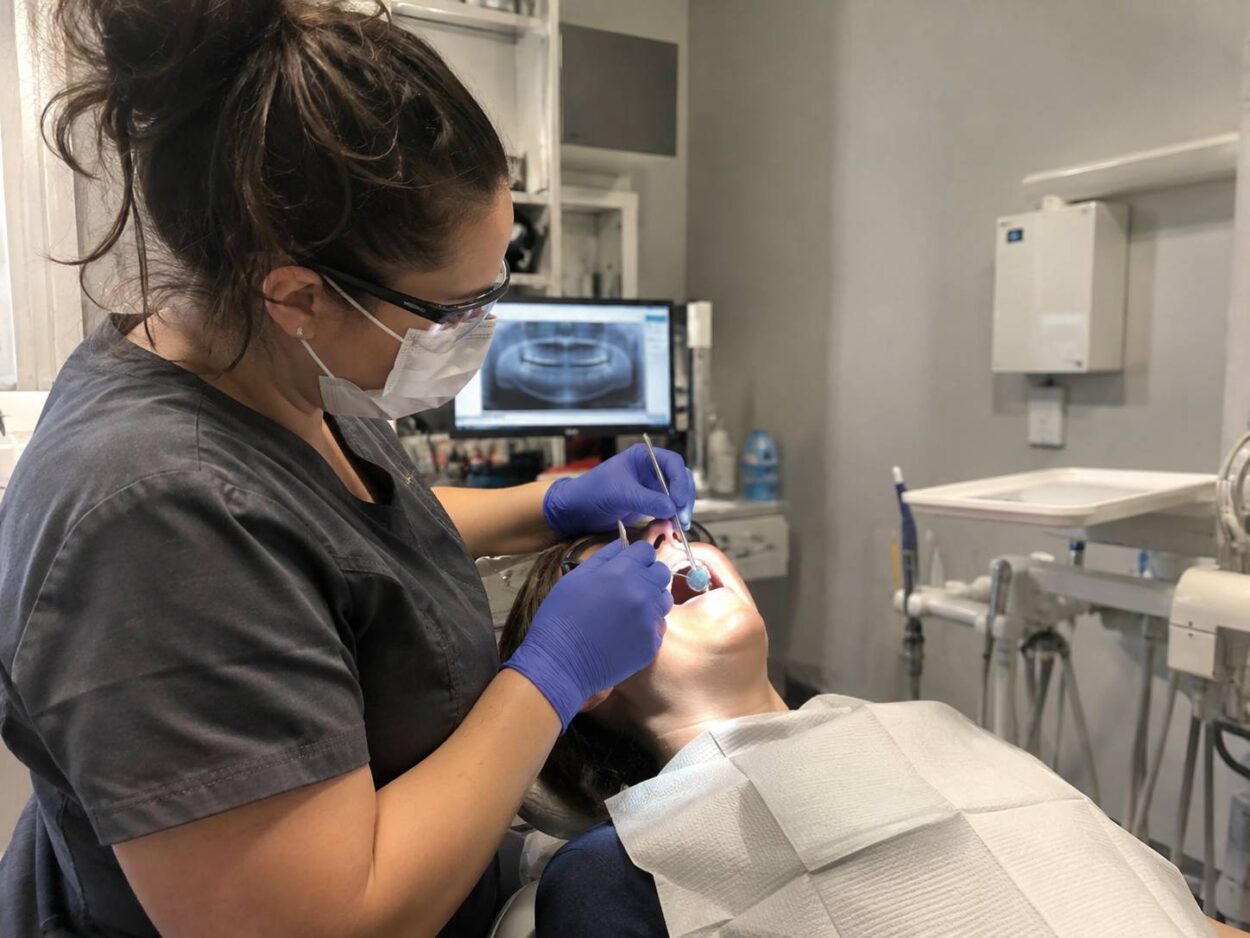
Dental assistants work closely with dentists, hygienists, and patients during routine appointments and more involved procedures.
What Dental Assistants Do
Much of the job centers on keeping dental treatment safe, organized, and efficient.
- Preparing treatment rooms
- Assisting dentists during procedures
- Sterilizing instruments
- Preparing dental materials
- Getting patients ready for treatment
- Handling selected front-office responsibilities
Dental assistants may also take dental radiographs when state law and their credentials permit it.
Work can include chairside assistance one moment and patient scheduling or record updates later in the day, especially in smaller dental offices.
Training and Certification
Career-training programs can sometimes be completed within several months. Coursework usually covers dental terminology, infection control, chairside procedures, instruments, materials, and patient preparation.
Credential requirements vary considerably across states.
Certified Dental Assistant, or CDA, is one possible credential, while certain states use their own Registered Dental Assistant classifications or other credentials.
Radiography can have separate training or certification requirements depending on the state.
Why Consider Dental Assisting?
Dental assisting offers a relatively short route into a patient-facing healthcare environment.
Jobs are available in general dentistry along with specialties such as orthodontics, oral surgery, pediatric dentistry, and periodontics.
Regular interaction with patients also makes communication skills important alongside technical ability.
4. Phlebotomy Technician
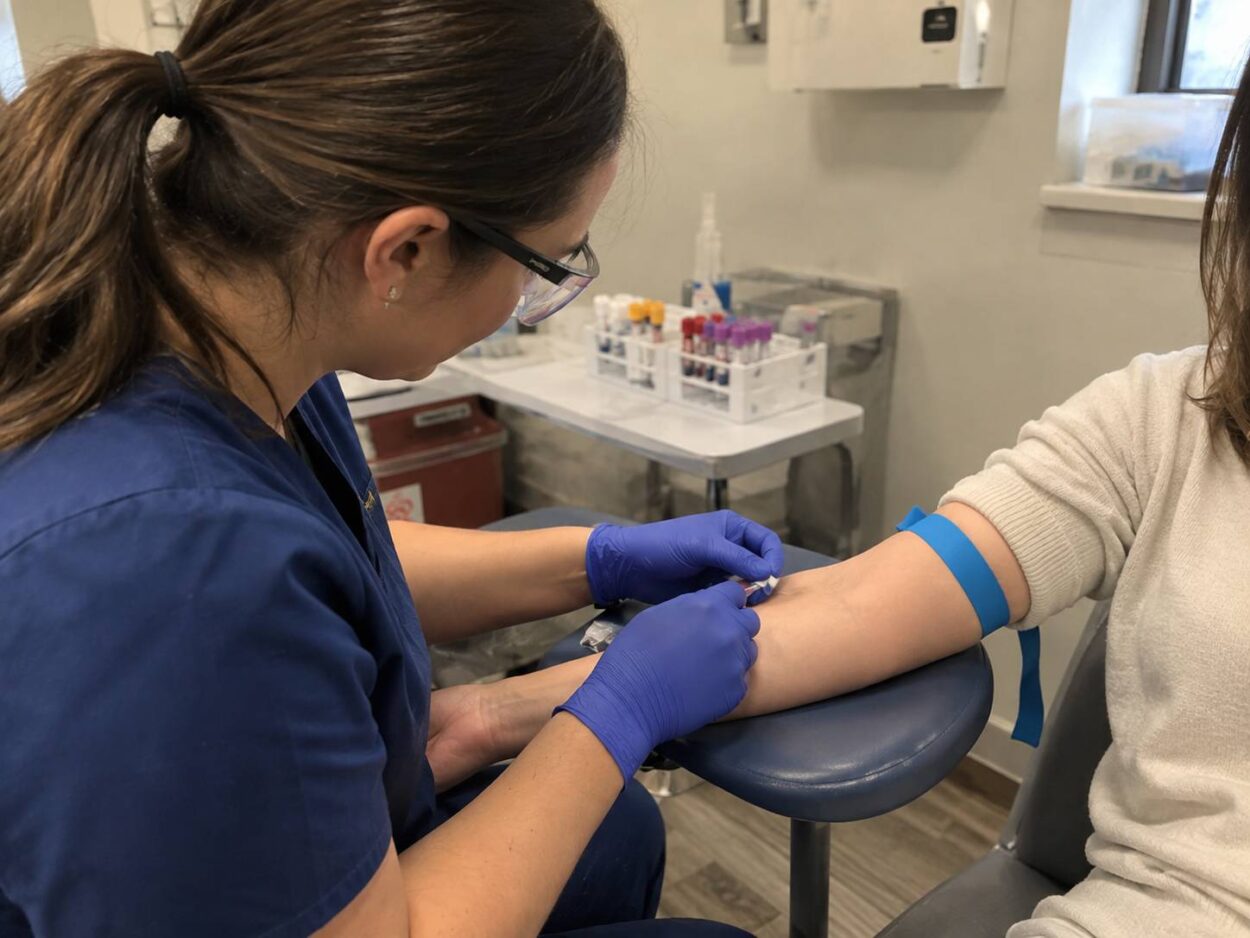
Phlebotomy technicians specialize in collecting blood safely and accurately.
Their work plays an important role in laboratory testing, blood donation, transfusion services, and medical diagnosis.
What Phlebotomists Do
Drawing blood may look simple, but proper technique requires precision, infection-control knowledge, and good patient communication.
- Collecting blood samples
- Confirming patient identity
- Labeling specimens correctly
- Preparing samples for laboratory processing
- Following infection-control procedures
- Maintaining patient safety during collection
Hospitals, clinics, laboratories, diagnostic centers, and blood donation facilities all employ phlebotomy technicians.
Patient interaction is a major part of the job. Some people are nervous around needles or blood, so calm communication can matter almost as much as technical skill.
Training and Certification
Phlebotomy is often one of the quickest healthcare careers to enter through formal training.
Some programs last approximately 3 to 12 weeks, although schedules vary according to the training provider and clinical requirements.
Hands-on practice is especially important.
Students need repeated experience locating veins, handling collection equipment, labeling samples, and performing blood draws safely.
Why Consider Phlebotomy?
A focused skill set makes phlebotomy attractive to people who want to enter healthcare without committing to a long academic program.
Work opportunities span several medical environments, giving technicians options outside a single type of workplace. Phlebotomy training can also complement medical assisting or other clinical credentials later.
5. EKG Technician
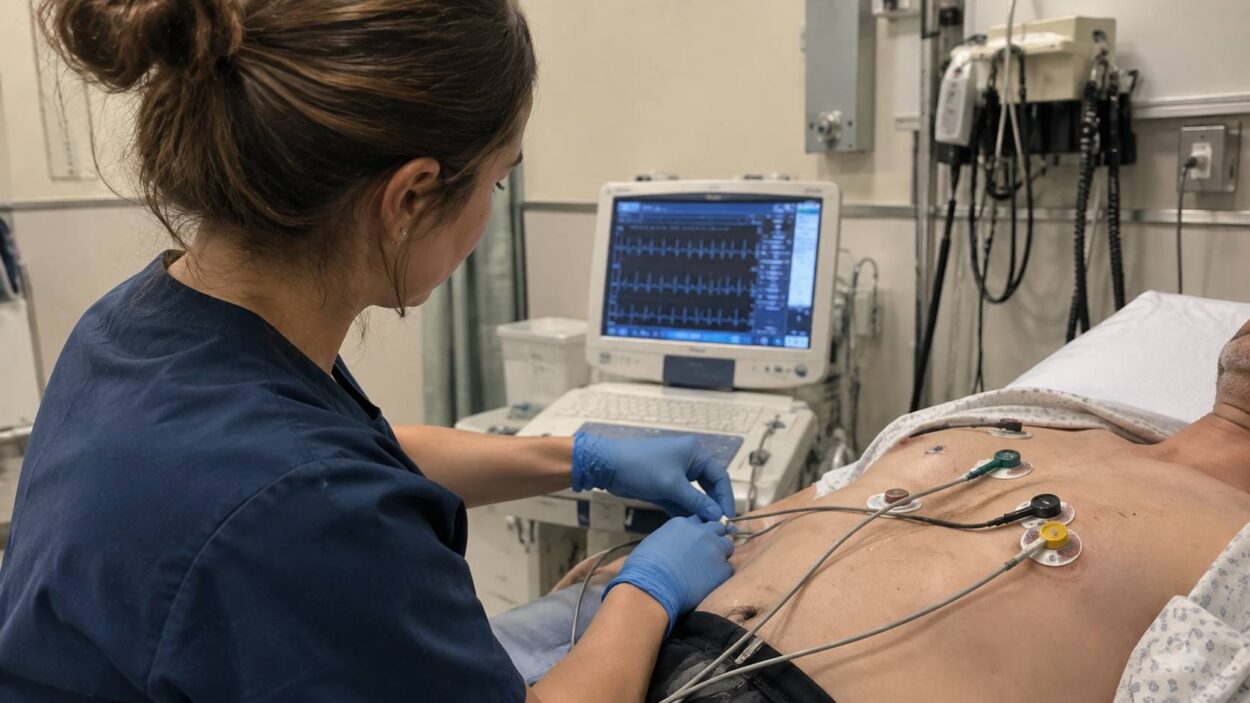
EKG technicians help collect information about a patient’s heart activity using electrocardiogram equipment.
What EKG Technicians Do
Electrocardiograms record electrical activity produced by the heart. Accurate testing depends heavily on correct patient preparation and electrode placement.
- Preparing patients for testing
- Attaching electrodes
- Operating EKG equipment
- Monitoring cardiac activity during testing
- Checking recordings for technical quality
- Preparing test information for healthcare providers
EKG technicians can work in hospitals, cardiology practices, outpatient centers, diagnostic facilities, and other clinical settings.
Attention to detail matters because incorrect electrode placement or poor equipment setup can affect test quality.
Training and Certification
Focused EKG programs are usually much shorter than degree programs.
Some training options fall around the 4 to 12 week range, although certain accelerated programs can be shorter.
- Cardiac terminology
- Basic heart anatomy
- Electrode placement
- EKG equipment operation
- Patient preparation
- Testing procedures
View this post on Instagram
Professional certification may improve employment options, especially when employers prefer applicants who have demonstrated competency through a recognized exam.
Once you start applying, preparing for common job interview questions and answers can make the transition into healthcare work easier.
Why Consider EKG Technology?
EKG technology offers a focused clinical role without requiring four years of university study.
Cardiology settings are an obvious employment option, but EKG testing also occurs in hospitals, emergency departments, outpatient centers, and general medical facilities.
Medical assistants sometimes add EKG training to broaden their clinical abilities, making the credential useful both as a primary skill and as an additional qualification.
Closing Thoughts
Healthcare careers are not limited to people with bachelor’s degrees.
Certificate and vocational programs can prepare students for specific workplace skills without requiring four years of university education.
Medical assisting, dental assisting, phlebotomy, EKG technology, pharmacy technology, medical billing and coding, and surgical technology each offer a different type of entry point.
For many people, one of these roles can be more than a first healthcare job.
Skills gained through certificate-based training can also create a practical foundation for additional credentials, specialization, or further healthcare education later.