
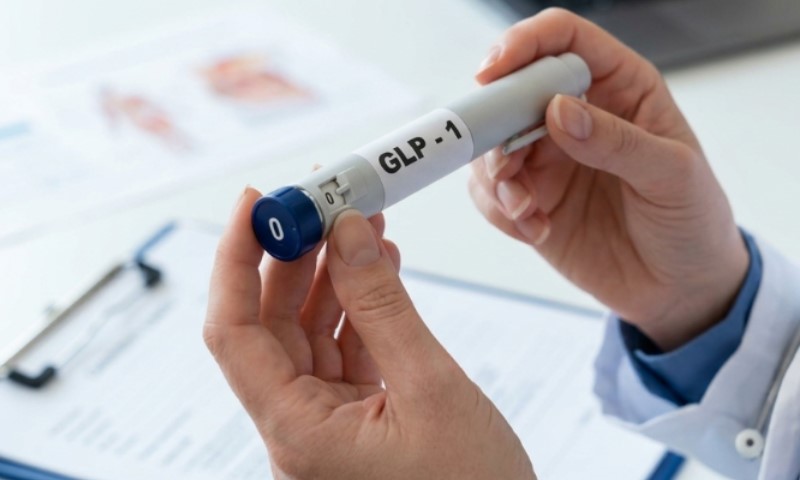
A prescription can clear a doctor’s office and stall at the pharmacy because an employer’s health plan covers the medication for diabetes while excluding weight management.
A July 2026 survey from the International Foundation of Employee Benefit Plans found that 36% of responding corporate employers cover GLP-1 drugs for both diabetes and weight loss. Another 60% cover them for diabetes alone.
Coverage has stopped expanding after several years of growth, even as demand keeps climbing. Gallup’s latest measure found that 11% of U.S. adults currently use GLP-1 medications for weight loss, up from 3% in 2024.
Employers now face a difficult benefits equation involving strong clinical results, rising use and a drug bill that arrives long before possible health savings.
Employer Coverage Has Reached a Plateau

The International Foundation began tracking GLP-1 coverage in October 2023. Its corporate employer results show a rapid initial increase in weight-loss coverage followed by a flat year:
| Survey year | Diabetes only | Diabetes and weight loss |
| 2023 | 49% | 26% |
| 2024 | 57% | 34% |
| 2025 | 55% | 36% |
| 2026 | 60% | 36% |
No responding employer reported covering GLP-1 drugs solely for weight loss. Among employers lacking weight-management coverage, 19% had previously offered it and 9% were considering adding it.
Most exclusions, 83%, were implemented through a specific carve-out in the medical or prescription plan.
Multiemployer and public plans reported a slightly lower coverage rate. According to the foundation’s public survey summary, 31% covered the medications for both diabetes and weight loss.
The 36% figure counts participating corporate employers. It does not indicate that 36% of workers, prescriptions or health plans nationwide receive coverage. Employer size, survey membership, and the wording of each coverage question can produce markedly different estimates.
What Does GLP-1 Coverage Actually Include?
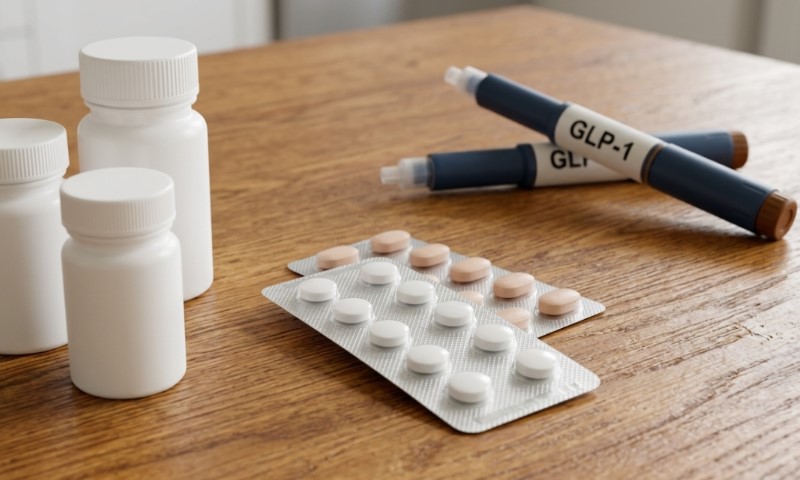
GLP-1 drugs imitate hormones involved in blood sugar regulation, appetite, and digestion. Several medications share an active ingredient while carrying different names and approved uses.
Ozempic contains semaglutide and is associated primarily with type 2 diabetes care. Wegovy also contains semaglutide and is approved for chronic weight management.
Mounjaro and Zepbound both contain tirzepatide, with Mounjaro used for type 2 diabetes and Zepbound approved for obesity and certain weight-related conditions.
A plan may therefore cover Ozempic for a member with diabetes while excluding Wegovy for the same person’s weight-management treatment.
The distinction can feel arbitrary at the pharmacy counter, yet coverage systems are generally built around the diagnosis, product label, and formulary.
Coverage opens the first gate. Prior authorization determines who passes through it. Among corporate employers offering weight-loss coverage, 90% apply a minimum body mass index requirement, 54% require obesity plus another chronic condition, and 29% require participation in a lifestyle program.
Employers can also set thresholds beyond a medication’s approved criteria. The FDA criteria for Zepbound, for example, include a BMI of at least 30 or at least 27 with a weight-related condition such as hypertension or high cholesterol. A health plan might require a higher BMI, documented treatment history, or periodic reauthorization.
Why Are Employers Hesitant to Expand Coverage?
Cost pressure begins with the number of people who could qualify. A KFF analysis estimated that 36.2 million people under 65 with employer-sponsored insurance, about 34%, could meet medical criteria for a weight-loss GLP-1 drug.
Even moderate participation can reshape a pharmacy budget. International Foundation respondents reported that weight-loss GLP-1 claims represented an average of 11.4% of total annual claims for corporate plans, compared with 6.9% in 2023.
Pricing has become unusually complicated. List prices, pharmacy benefit manager rebates, employer net costs, savings cards, and direct-purchase programs can all produce different totals for the same medication.
As of August 2026, Novo Nordisk’s Wegovy self-pay offer advertises eligible starting-dose users a price of $199 per month for the first two months, followed by $349 per month. Lilly’s current Zepbound savings terms list eligible KwikPen prices ranging from $299 for the starting dose to $449 for higher doses under specified purchase conditions. Offers can change, and eligibility restrictions apply.
Employees comparing those prices with possible insurance costs can use WeightWatchers’ cost estimator for a preliminary out-of-pocket estimate based on their insurer and desired medication. The health plan or benefits administrator should confirm the final amount.
Lower direct prices have encouraged employers to look outside conventional insurance. The survey found that 27% direct workers toward consumer platforms, while 21% suggest using an FSA, HSA or integrated HRA.
Tax-advantaged accounts can soften the bill, although employees still spend money from their own accounts.
The Clinical Case Keeps Growing
View this post on Instagram
The popularity of GLP-1 medications rests on measurable results. In a major semaglutide trial, participants receiving the medication lost an average of 14.9% of their body weight over 68 weeks, compared with 2.4% among those receiving a placebo.
Approved uses have expanded as researchers document effects beyond weight reduction. In 2024, an FDA cardiovascular indication allowed Wegovy to be used to reduce cardiovascular death, heart attack and stroke in adults with established cardiovascular disease and overweight or obesity. Major cardiovascular events occurred in 6.5% of Wegovy participants and 8% of placebo participants in the supporting trial.
Later that year, the agency granted approval for sleep apnea to Zepbound for adults with obesity and moderate to severe obstructive sleep apnea.
Employers still struggle to see such gains in annual claims reports. Preventing a future heart attack may generate considerable value for a patient, while the financial benefit might appear years later or accrue to another insurer after the employee changes jobs.
Continuity presents another challenge. A large U.S. cohort found that 64.8% of patients without type 2 diabetes discontinued a GLP-1 medication within one year. Income, side effects and the amount of weight lost were associated with discontinuation. The study covered 2018 through 2023 and included several drugs, so results for newer treatments and current benefit designs may differ.
Why Do Other Surveys Report Different Numbers?
KFF found that 19% of firms with at least 200 workers covered GLP-1 drugs primarily for weight loss in their largest plan during 2025. Coverage rose sharply with company size, reaching 43% among employers with at least 5,000 workers, according to the KFF employer survey.
A newer Business Group on Health study produced a higher figure. Its June employer survey, completed by 127 generally large organizations, found that obesity-drug coverage fell from 72% in 2025 to 60% in 2026.
Each percentage answers a different question for a different employer population. Large and self-funded organizations appear more likely to offer coverage, so the average worker’s chance of having the benefit may exceed a simple count of employers.
What Should Employees Check?
Workers considering GLP-1 treatment should ask the benefits team or insurer several specific questions:
- Does the plan cover GLP-1 drugs for weight management?
- Which brands appear on the formulary?
- What BMI or medical criteria apply?
- Is prior authorization required?
- Must the member join a coaching program?
- How often is authorization renewed?
- What is the copay or coinsurance?
- Are current users protected if coverage ends?
Coverage gaps can lead patients toward cheaper compounded or online alternatives. The FDA warns about unapproved products, which receive no agency review for safety, effectiveness, or manufacturing quality. A clinician should guide any switch, interruption, or change in dose.
A Benefit Caught Between Evidence and Affordability
The 36% result captures an uneasy pause. Clinical evidence has strengthened, public demand has accelerated, and employer spending has risen quickly enough to halt wider adoption.
GLP-1 coverage will likely remain uneven while employers test stricter authorization, direct-purchase arrangements, and new pricing contracts.
For workers, the decisive detail sits deep inside the formulary: the diagnosis attached to a prescription can determine whether a monthly treatment costs a copay or several hundred dollars.