
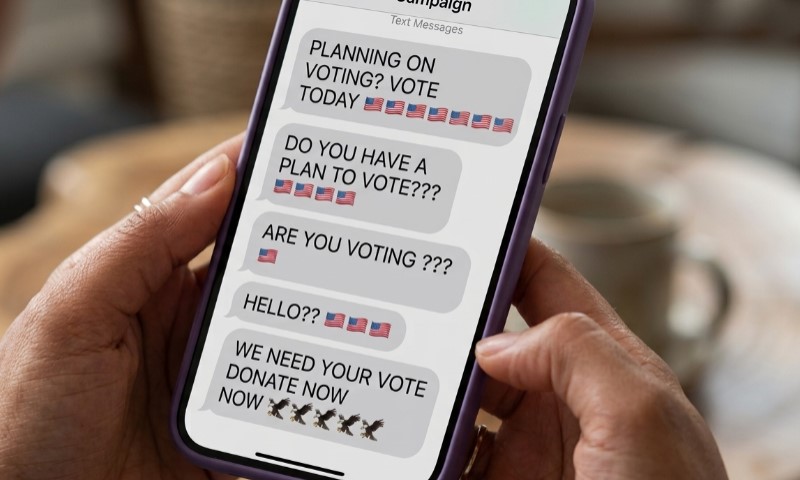
Political fundraising texts have become nearly impossible to avoid during election season.
By July 2024, Americans had already received more political texts than during all of 2023, showing just how aggressively campaigns now use mobile messaging.
Campaigns favor texting because it is cheap, immediate, and puts a fundraising request directly on a device people check throughout the day.
Messages can arrive within seconds, include direct donation links, and target specific groups using detailed voter data.
Political texts can raise money precisely because campaigns do not need a large share of recipients to respond. Sending a message costs very little, so even a small number of donations can make a texting campaign profitable.
Growing message volume, however, may also make recipients more likely to ignore political texts automatically.
Do Political Texts Actually Raise Money?
Fundraising through text messages can work largely because sending each message is so inexpensive. A campaign does not need thousands of recipients to donate after every message.
Only a small percentage may need to respond for the campaign to recover its messaging costs and generate additional contributions.
Low Conversion Rates Can Still Be Profitable
Political messaging programs can operate at enormous scale. When each message costs only a few cents or less, even very low conversion rates can still produce worthwhile fundraising results.
Consider a simplified example. A campaign that sends hundreds of thousands of messages might see only a tiny portion of recipients click the donation link.
Another smaller portion may complete a donation. If those contributions collectively exceed the cost of sending the messages, continuing the campaign makes financial sense.
Such economics help explain why campaigns keep sending texts even when most recipients never respond.
A Political Comms donor conversion story offers a concrete example, reporting that one statewide gubernatorial campaign raised $427,000 through personalized peer-to-peer texts during a six-week fundraising push, compared with $73,500 in program costs.
The campaign reported an 8.3% conversion rate and an average donation of $47.
Personalization Can Increase Engagement
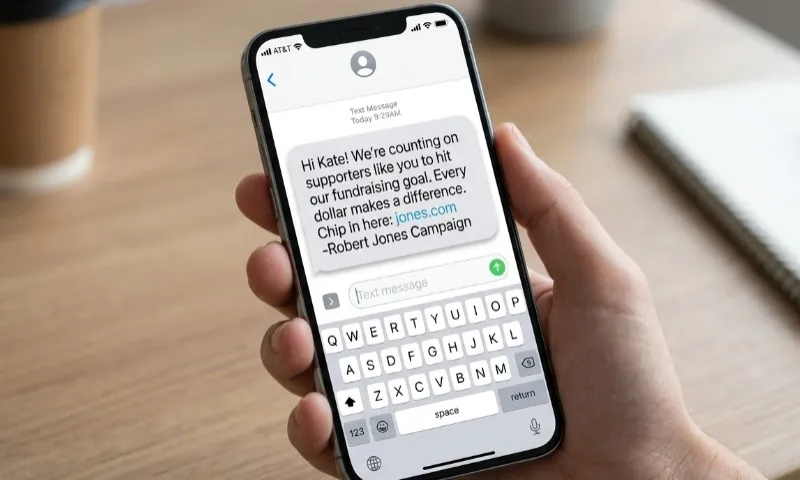
Personalization may improve engagement by making a fundraising request feel more directly addressed to an individual recipient.
Messages can include:
- A recipient’s first name
- A direct donation link
- Photos of candidates
- Short campaign videos
- Suggested contribution amounts
- References to local races or political issues
Personalized details can make a message feel less like generic advertising, although repeated exposure may reduce that effect over time.
Urgency Pushes Recipients to Act Quickly
Urgency is another common tactic. Messages often mention fundraising deadlines, matching periods, close races, or immediate campaign needs.
Such language is designed to reduce hesitation. Instead of asking someone to consider donating later, a campaign tries to create a reason to give immediately before attention shifts to another notification.
Why Political Texts Can Be a Problem
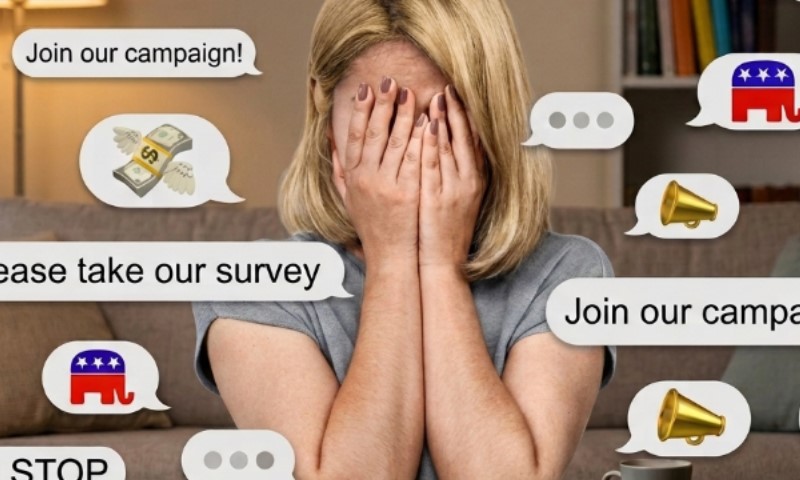
Heavy use of political texting may eventually weaken its effectiveness.
Around 15 years ago, receiving a political text was relatively unusual. Novelty made people more likely to notice and engage with those messages.
Voters now receive political texts much more frequently.
Constant exposure can create message fatigue, causing recipients to delete texts without reading them or mentally classify political messages as spam.
Message Volume Can Lead to Political Text Fatigue
Frequent fundraising appeals can make each individual message less noticeable. Recipients may stop reading carefully once they recognize familiar patterns such as urgent deadlines, donation requests, and repeated candidate names.
Partisan campaigns do not necessarily use texting at equal rates.
During much of 2024, Republican campaigns were sending political texts at least twice as often as Democratic campaigns according to messaging-volume tracking.
High volume can therefore become a tradeoff. More messages create more opportunities to collect donations, but excessive repetition can also make recipients less responsive.
Why Campaigns Use Text Messages
Text messaging gives campaigns a relatively inexpensive way to contact huge numbers of potential voters and donors.
Individual messages can cost only a couple of pennies, making mass texting far cheaper than television advertising and many other campaign outreach methods.
Low cost also makes repetition easier. Campaigns can send multiple fundraising appeals, event reminders, voting prompts, and deadline messages without committing the kind of budget required for television, radio, or direct mail.
Texts Are Fast and Hard to Miss
Speed matters. Emails can sit unread for hours or days, while phone calls frequently go unanswered.
Text messages often appear directly on a person’s lock screen or notification bar, giving campaigns an immediate chance to capture attention.
Mobile messaging also reduces the number of steps between seeing an appeal and acting on it.
A recipient can open a donation link, choose an amount, and complete a contribution on the same device.
Campaigns Have Several Ways to Find Phone Numbers
Phone numbers can enter campaign databases through several channels, including voter-registration records, commercial data brokers, previous campaign lists, and purchased donor databases.
Past engagement can matter too.
Someone who previously donated, signed a petition, attended an event, or entered contact information through a campaign form may later receive additional political messages.
Voter History Helps Campaigns Decide Who to Target
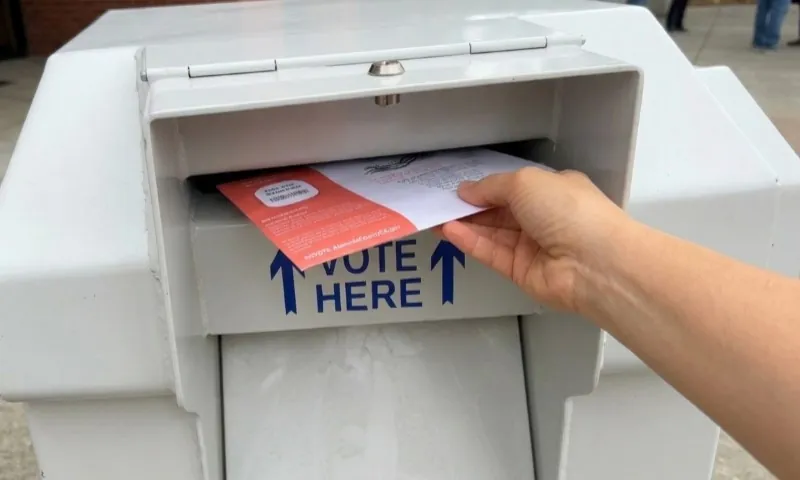
Voting history can play a major role in targeting. Campaigns cannot see which candidate someone selected, but they can often access records showing if a person participated in previous elections.
Someone with a consistent voting history may receive more outreach because campaigns consider that person more likely to participate again.
Similar logic can be used to decide which recipients receive turnout reminders, fundraising requests, or issue-specific messages.
Targeting can become even more precise when voter records are combined with consumer and donor information.
Campaigns can use those details to decide which groups receive certain messages, making texting more focused than sending one general advertisement to a broad television audience.
Political Messages Do Not Always Come Directly From Candidates
Multiple types of organizations participate in political texting. Messages may come through:
- Candidate campaigns
- Political action committees
- Independent political groups
- Party organizations
- Fundraising consultants
Knowing who actually benefits financially can therefore be difficult based only on a message appearing on a phone.
Some political action committees spend only part of the money they collect directly supporting candidates or political causes.
Significant amounts can instead go toward administrative expenses, fundraising costs, consultants, and salaries.
Scam Texts Can Look Like Legitimate Campaign Appeals
View this post on Instagram
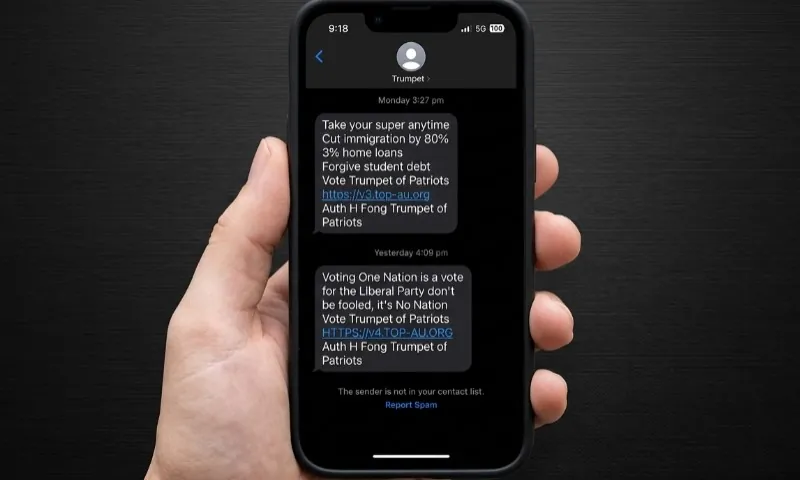
Fraud presents another problem. Scammers can imitate legitimate campaign texts, copy political slogans, and create fake donation pages.
Urgent requests for money can pressure recipients into clicking links before checking who sent the message.
Similar tactics can also be used to collect payment details or other personal information.
Safer behavior includes visiting an official campaign website directly instead of donating through an unfamiliar link in a text message.
Suspicious links can lead to fraudulent payment pages or attempts to collect personal information.
Closing Thoughts
Political texting continues to attract campaigns because messages are inexpensive, targeted, fast, and difficult for voters to completely avoid.
Even recipients who dismiss a message immediately may still see a candidate’s name for a moment.
Repeated exposure can increase familiarity and name recognition, giving campaigns another reason to keep texting even when recipients do not donate.
Fundraising texts do not need to persuade most recipients.
Low delivery costs mean campaigns only need enough people to click, donate, and respond for mass texting to continue making financial sense.