
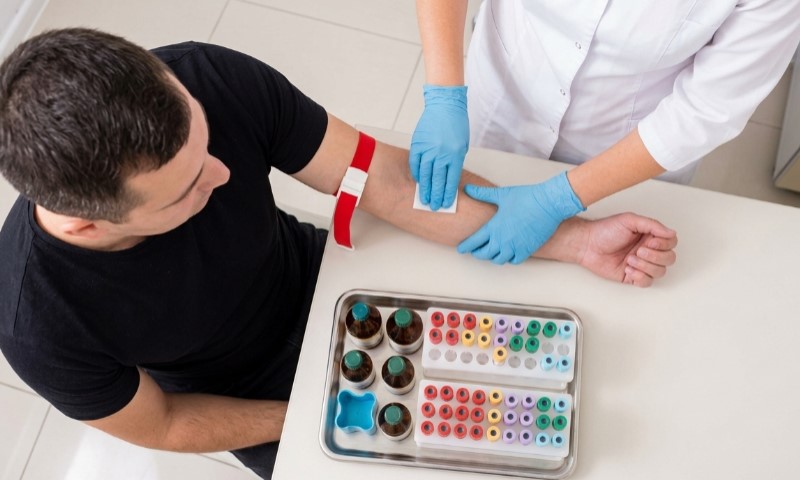
Employee drug testing is a common workplace practice used to detect certain substances and reduce risks linked to impairment.
Testing methods may include urine, saliva, hair, or blood samples, depending on company policy, legal requirements, and the type of screening involved.
Employers often use testing to promote workplace safety, meet regulatory obligations, discourage substance misuse, and evaluate fitness for duty.
Around 40% of surveyed employers reported conducting drug testing for both regulated and nonregulated positions, showing that screening is not limited to federally controlled industries.
Let’s talk about it in greater detail.
When Drug Testing Is Required
Drug testing requirements vary by industry, job responsibilities, company policy, and applicable law.
Certain situations make testing mandatory, while others allow employers to introduce screening as part of an internal workplace safety program.
Safety-Sensitive Jobs
Federal rules apply to many employees working in safety-sensitive transportation positions regulated by the U.S. Department of Transportation.
Employers conducting DOT-regulated testing should also follow the latest DOT collection guidelines, which address proper urine specimen collection procedures and compliance requirements.
Workers covered by DOT testing requirements may include commercial drivers and certain employees working in aviation, rail, transit, pipeline operations, and other transportation sectors.
Safety-sensitive testing policies exist because impairment in these roles can place employees, coworkers, passengers, and members of the public at serious risk.
Pre-Employment Testing
Pre-employment testing takes place before a candidate begins work. Employers use it to determine if an applicant has recently used substances included in the testing panel.
Many organizations make a job offer conditional on receiving an acceptable test result. Screening policies should be applied consistently and in accordance with applicable employment and privacy laws.
Random Testing
Random testing gives employees little or no advance notice before screening. Highly regulated industries, especially transportation, often use random programs as part of ongoing compliance requirements.
Random selection can also discourage employees in safety-sensitive roles from reporting to work after prohibited substance use.
Reasonable Suspicion Testing
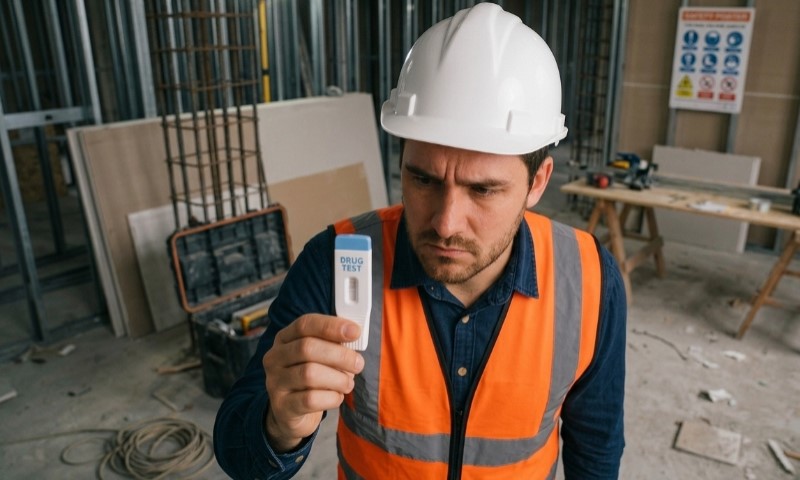
Reasonable suspicion testing may be ordered when a trained supervisor observes signs that could indicate substance use or impairment.
Possible signs may include unusual behavior, problems with coordination, changes in speech, unexplained performance issues, or other documented observations. Supervisors should rely on specific workplace observations rather than assumptions.
Post-Accident Testing
Post-accident testing may occur after a workplace accident, injury, near-miss, or other serious safety event when substance use could have contributed.
Data reported for 2024 showed a 10.2% drug positivity rate among post-accident tests in the combined U.S. workforce. Overall positivity across the same workforce was 4.4%.
Higher positivity among post-accident tests shows why employers often include this type of screening in workplace safety policies, particularly in environments where mistakes can cause severe injuries or property damage.
Return-to-Duty Testing
Return-to-duty testing may apply after an employee violates a workplace drug policy or completes a required treatment or rehabilitation process.
Employees covered by regulated testing programs may need an acceptable result before resuming safety-sensitive duties. Follow-up testing may also continue for a specified period after an employee returns to work.
How Drug Testing Improves Workplace Safety
View this post on Instagram
Substance use can affect judgment, alertness, coordination, reaction time, and decision-making ability.
Reduced performance in any of these areas can increase accident risk, especially when employees operate vehicles, heavy machinery, industrial equipment, or hazardous materials.
Testing programs can discourage employees from reporting to work after using prohibited substances.
Regular screening can also help employers identify possible safety concerns before an incident occurs.
Lower Risk of Workplace Accidents
Impairment can turn routine tasks into serious safety hazards.
A delayed reaction behind the wheel, poor judgment around industrial machinery, or reduced coordination on a construction site can have major consequences.
Drug testing may help lower exposure to those risks by reinforcing expectations around workplace fitness and substance use.
Greater Protection in High-Risk Jobs
Certain positions carry greater consequences when an employee is impaired.
Examples include jobs involving:
- Commercial vehicles
- Heavy equipment
- Manufacturing machinery
- Construction equipment
- Hazardous chemicals
- Public transportation
- Aviation operations
Screening is particularly important in such environments because a single mistake may affect multiple people.
Improved Focus and Attendance
Substance misuse can also contribute to reduced concentration, attendance problems, inconsistent performance, and workplace disruptions.
Well-managed testing programs may support better focus and lower absenteeism by encouraging employees to follow workplace substance policies and seek assistance when problems arise.
Lower Accident-Related Costs
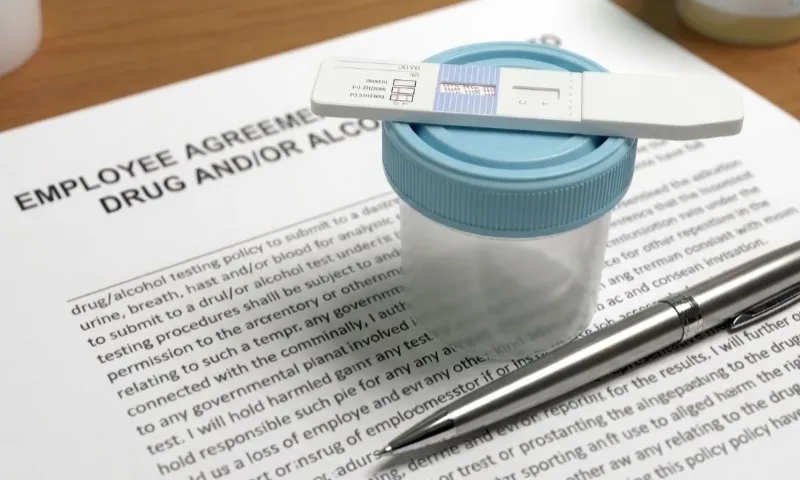
Workplace accidents can create major direct and indirect costs for employers.
Potential expenses may include:
- Medical treatment
- Workers’ compensation claims
- Equipment repairs
- Property damage
- Legal expenses
- Production delays
- Lost work time
- Operational downtime
Preventing impairment-related incidents can help reduce exposure to several of these costs while protecting employees and business operations.
Important Considerations
Drug testing programs require careful planning because testing affects employee privacy, legal compliance, workplace policies, and disciplinary decisions.
Federal, state, and local laws can differ considerably. Employers may need to consider rules involving employee protections, privacy, disability accommodations, medical cannabis, recreational cannabis, testing procedures, and disciplinary practices.
A Positive Test Does Not Always Prove Current Impairment
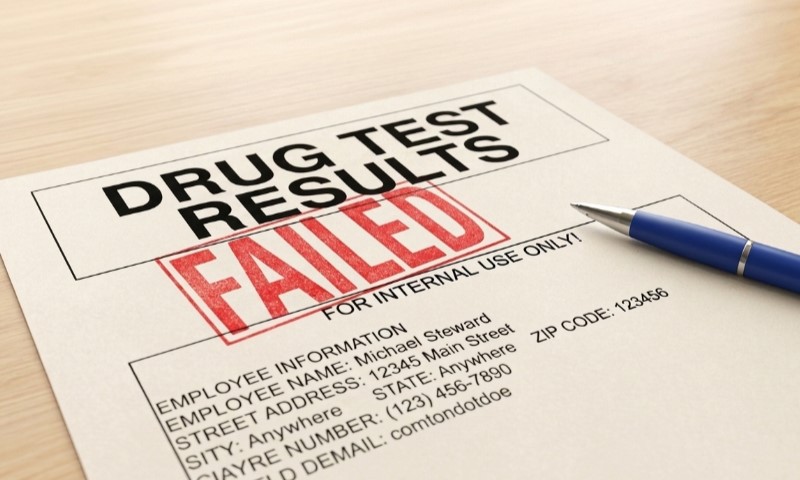
Drug test results require careful interpretation.
Certain substances or metabolites can stay detectable after their immediate effects have ended. A positive result may therefore indicate previous use without proving that an employee was impaired while working.
Employers should avoid treating every positive test as direct evidence of on-the-job impairment unless applicable testing methods, regulations, or additional evidence support that conclusion.
Common 5-Panel Drug Testing
A standard 5-panel drug test is one of the most frequently used screening formats.
Typical panels test for:
- Cannabis metabolites
- Cocaine metabolites
- Amphetamines
- Opiates
- PCP
Different employers may use expanded panels when job risks, regulations, or company policies justify additional testing.
No single testing panel can identify every possible substance. Employers need to select screening methods that match regulatory requirements and actual workplace risks.
Clear Workplace Policies Matter
Employees should know when testing can occur, which substances are included, how samples are collected, what happens after a positive result, and what rights or review procedures may apply.
Consistent written policies can also help supervisors apply testing rules fairly across the workforce.
Summary
Employee drug testing can be an important safety measure, particularly in jobs where impairment could cause severe injuries, accidents, or public safety risks.
Federal rules make testing mandatory for certain safety-sensitive employees, while many other employers use pre-employment, random, reasonable suspicion, post-accident, and return-to-duty testing as part of internal safety policies.
Research on workplace substance misuse also supports a broader approach rather than relying only on testing.
Programs that combine prevention, employee education, treatment options, recovery support, clear policies, and supervisor training can produce stronger safety outcomes.