

Moving to a cheaper country can reduce the amount you spend on rent, food, transportation and everyday services. The difference can be large, but a low national average does not guarantee that every city or neighborhood will be affordable.
A beach town filled with foreign residents may cost twice as much as a smaller inland city in the same country. Imported food, private healthcare, international schools and short-term rentals can also raise a foreign resident’s budget far above local averages.
The ranking below considers current living costs, housing, healthcare, transport, internet access and the practical side of staying long term. Safety also matters. Some countries remain cheap on paper because of war, political restrictions or weak local currencies, but they are not sensible relocation choices.
Price differences within a country can be as striking as the contrast between the richest and poorest cities in the world. Readers should therefore use this list as a starting point, then compare the exact city, visa and housing market they are considering.
How We Chose the Cheapest Countries?
The ranking uses the 2026 mid-year cost-of-living index as a price reference. Numbeo compares groceries, restaurants, transportation, utilities and other daily expenses, although its figures are based on user submissions and should not be treated as fixed prices.
We also considered the latest international peace and safety findings, access to medical care and the practical experience of living outside the main tourist districts.
| Rank | Country | Best suited to | Main issue to check |
|---|---|---|---|
| 20 | Ukraine | People with family or essential reasons to remain | War and regional travel restrictions |
| 19 | Belarus | People with strong local ties | Political and legal risks |
| 18 | Mexico | Retirees and North American expats | Large price and safety differences by region |
| 17 | Romania | Remote workers seeking an EU base | Higher rents in Bucharest and Cluj-Napoca |
| 16 | Bulgaria | Retirees and remote workers | Prices after euro adoption |
| 15 | Albania | Coastal living and mild winters | Seasonal rent increases near the coast |
| 14 | Serbia | City life at lower European prices | Rising rent in central Belgrade |
| 13 | Georgia | Freelancers and long-stay visitors | Residency, tax and political conditions |
| 12 | North Macedonia | Quiet city or lakeside living | Smaller employment market |
| 11 | Philippines | English-speaking expats and island living | Healthcare and transport outside major cities |
| 10 | Indonesia | Remote workers and warm-weather living | High rents in popular parts of Bali |
| 9 | Guatemala | Spanish learners and long stays in Central America | Safety and road conditions |
| 8 | Vietnam | Remote workers and city living | Long-term visa planning |
| 7 | Cambodia | Low-cost urban or coastal living | Quality of medical care |
| 6 | Paraguay | Quiet living and lower taxes | Heat, infrastructure and limited public transport |
| 5 | Bolivia | Low-cost city life and mountain scenery | Altitude and political disruptions |
| 4 | Nepal | Slow living, trekking and modest budgets | Pollution and specialist healthcare |
| 3 | Egypt | Foreign-currency earners seeking very low daily costs | Inflation and currency movements |
| 2 | India | People comfortable with large regional differences | Pollution, traffic and uneven public services |
| 1 | Pakistan | People with local knowledge or family connections | Security and regional travel restrictions |
Here Are the Most Affordable Countries in 2026
20. Ukraine
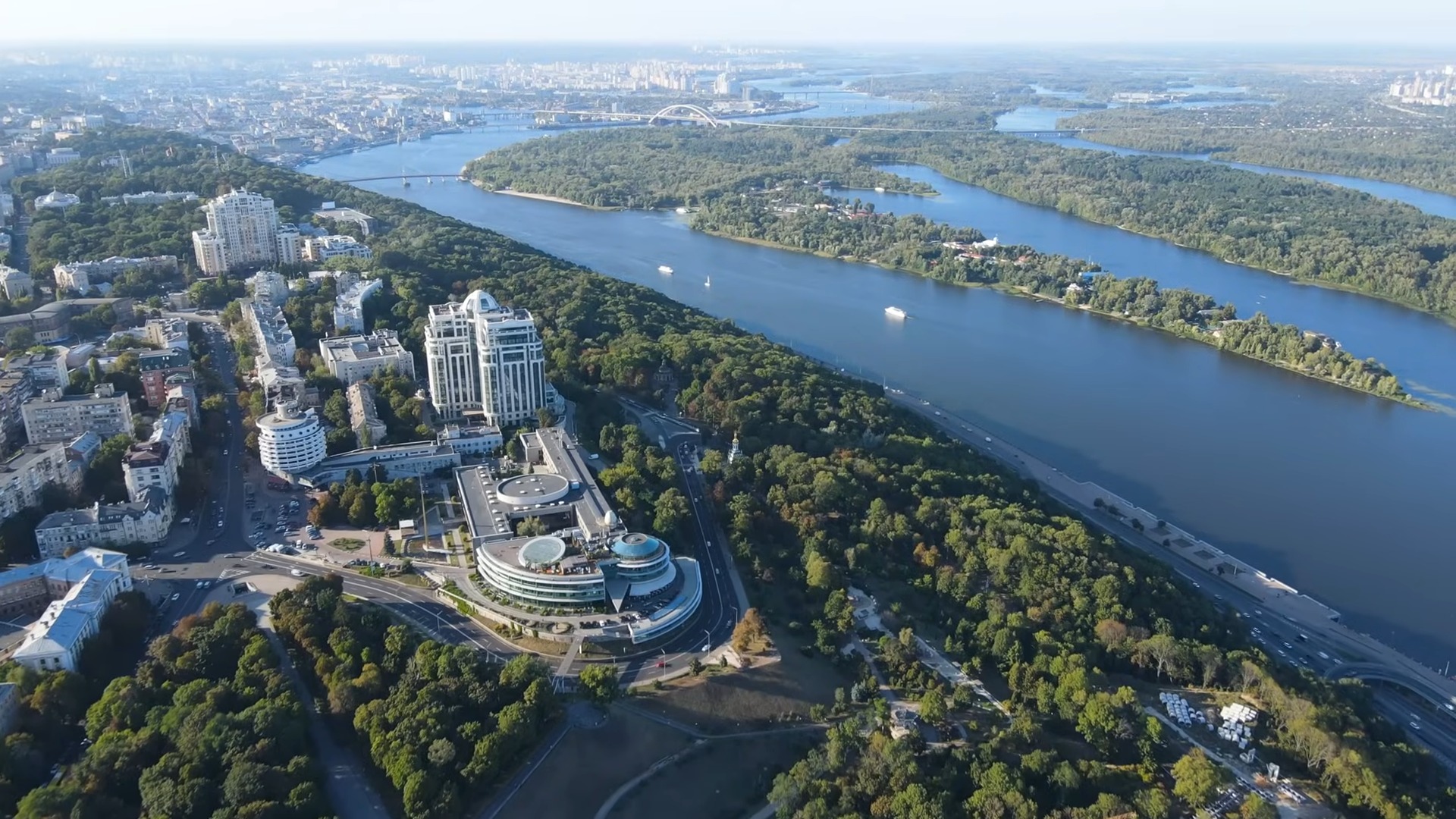
Ukraine remains inexpensive by European standards, but a low cost of living does not make it a suitable destination for an ordinary move. The war continues, civilian infrastructure remains exposed to missile and drone attacks, and airspace restrictions complicate travel.
The country’s economic outlook and reform plans remain important for its future, but current living decisions must begin with security rather than rent. The United States advises against travel to frontline regions and recommends reconsidering travel even to several western regions.
Ukraine still has remarkable cities and landscapes. Reports from Kyiv, Lviv and the wider conflict show how quickly conditions can change. The Carpathian Mountains and the Black Sea region remain important parts of the country, but neither should be treated as a routine relocation choice without current local guidance.
Our view: Ukraine belongs here only because prices are low. It is not a normal recommendation for remote workers, retirees or people looking for an inexpensive adventure.
19. Belarus
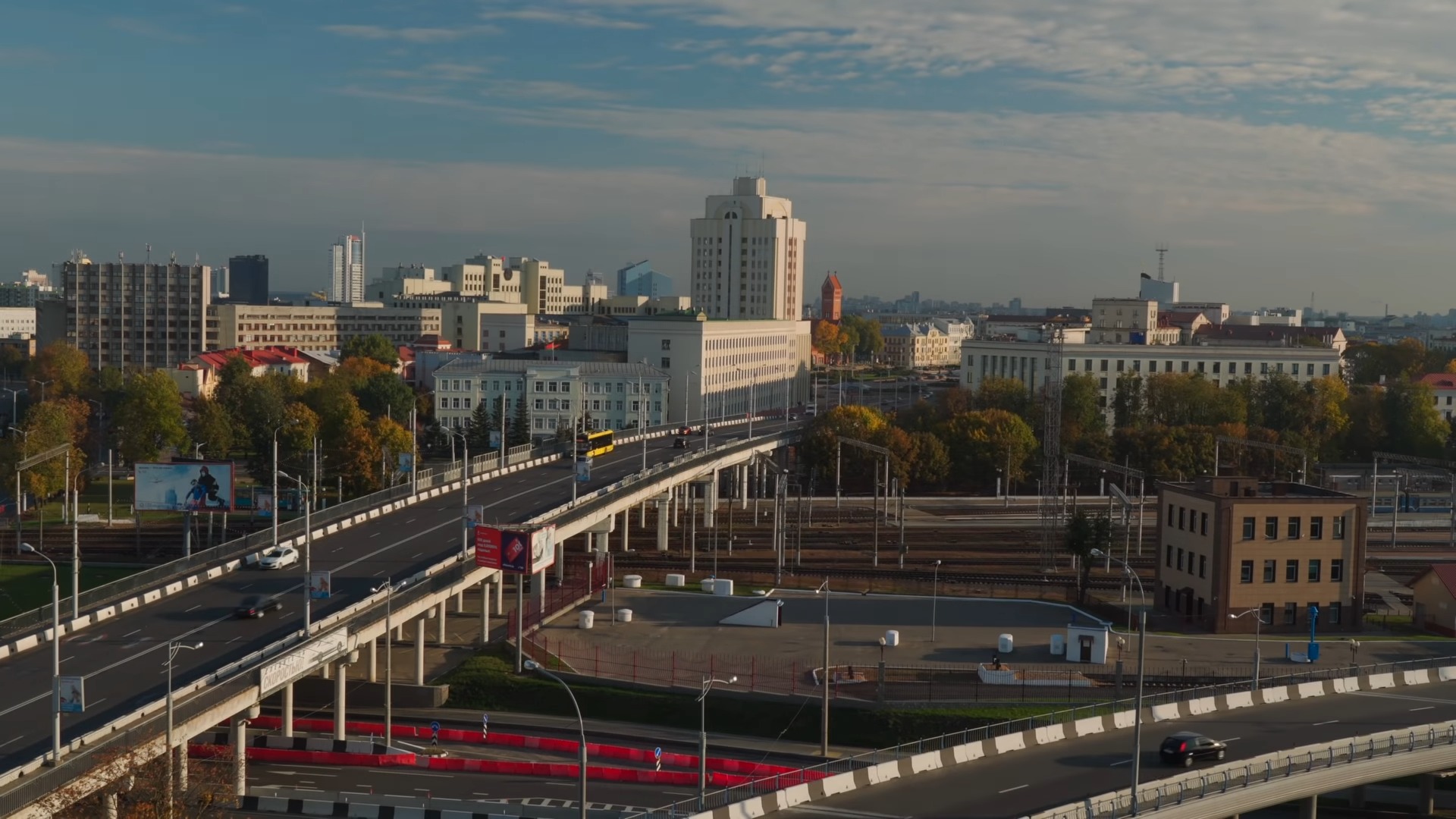
Housing, public transport and locally produced food can be inexpensive in Belarus. State involvement in the economy also keeps some essential prices lower than those found across much of Europe.
Affordability is only one part of the decision. Foreign visitors face political, legal and consular risks, and the United States strongly urges its citizens to avoid travel to the country. Banking access, international payments and border rules may also create problems for foreigners.
Minsk and Brest contain a mix of Soviet-era design and older European architecture. The country’s forests include Belovezhskaya Pushcha, home to the European bison.
https://www.youtube.com/watch?v=kmnumh4lzns
Our view: Belarus may appear attractive in a cost table, but the political and legal risks outweigh the savings for most foreign residents.
18. Mexico

Mexico remains one of the most practical lower-cost choices for Americans and Canadians because it is close, culturally varied and supported by large foreign communities. The country also continues to rank strongly among popular retirement destinations.
Prices depend heavily on location. Mexico City, Los Cabos, Tulum and the most popular coastal neighborhoods can be expensive. Smaller cities and less commercial parts of the country offer cheaper rent, local food and personal services.
Private medical care often costs less than comparable treatment in the United States. Research into healthcare access and medical treatment in Mexico also shows why the country has long attracted patients from abroad.
Living near the beaches and entertainment districts of Cancún requires a larger budget than living inland. Retirees should also compare private insurance, hospital access and summer heat before choosing a location.
Our view: Mexico is not among the absolute cheapest countries in the world, but it remains one of the easiest low-cost moves for North Americans who choose the right city.
17. Romania
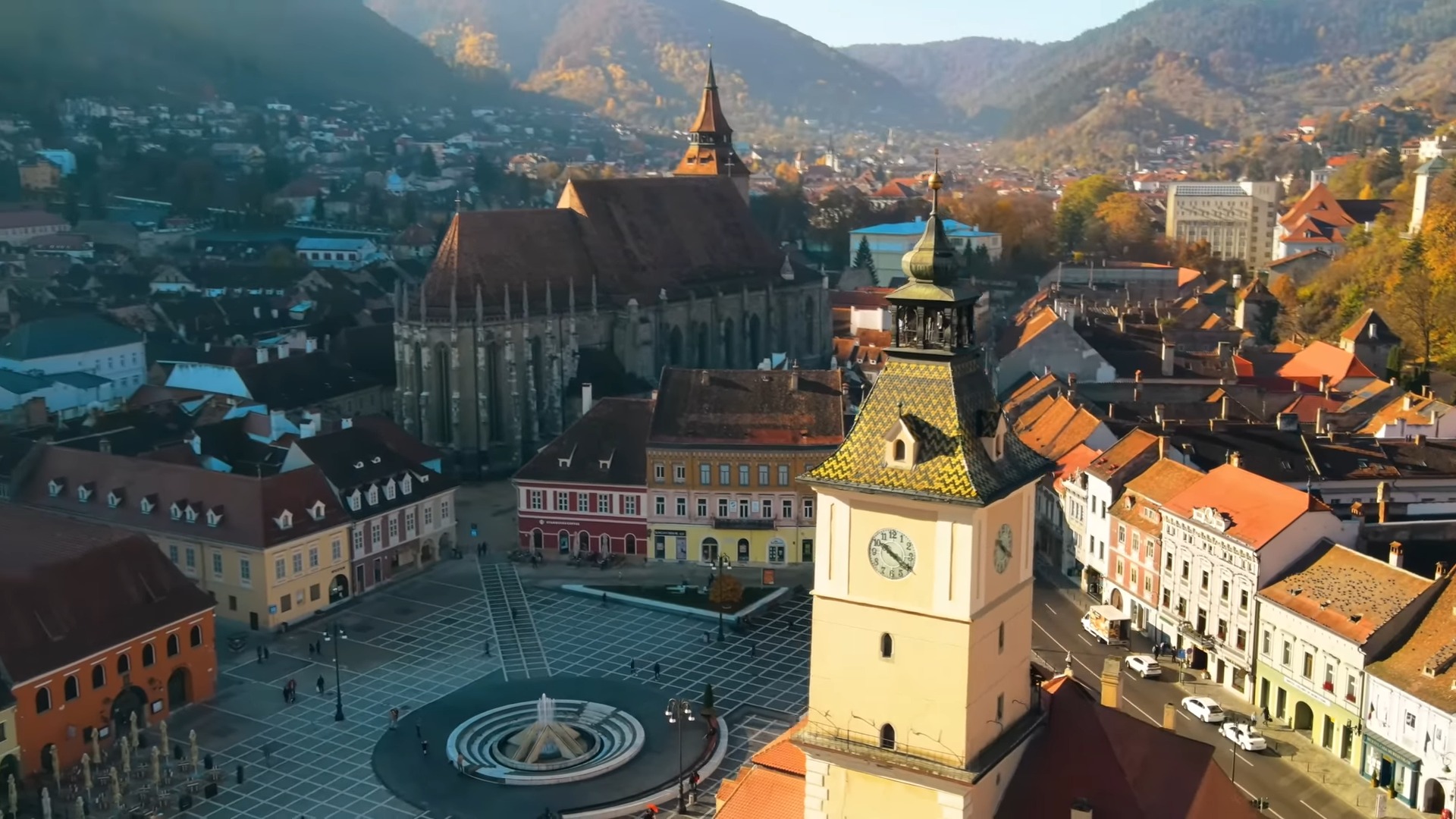
Romania provides lower prices than much of Western Europe without giving up EU membership, modern mobile networks or access to large cities. Housing remains reasonable in many regional centers, although Bucharest and Cluj-Napoca have become noticeably more expensive.
The country’s continued economic development has improved infrastructure and employment, but higher wages and demand have also pushed rents upward in the strongest job markets.
Romania works well for people who want city life, mountain access and easy travel around the EU. Transylvania’s castles and historic towns are reachable from several affordable regional bases.
Our view: Romania offers one of the better balances between price, infrastructure and legal stability in this list.
16. Bulgaria
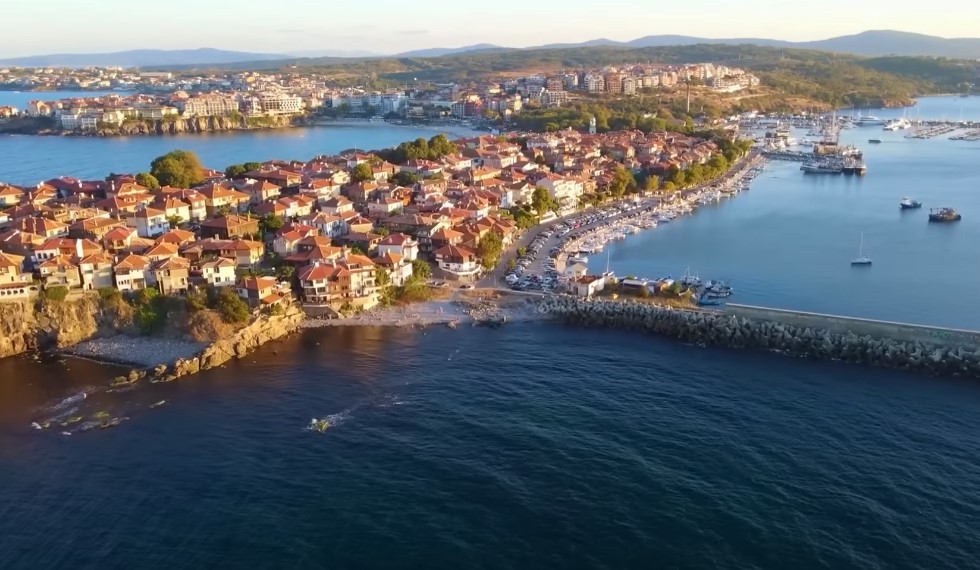
Bulgaria remains one of the lower-cost members of the European Union, although Sofia and the best-known Black Sea resorts no longer feel as cheap as they once did. Smaller cities such as Plovdiv, Veliko Tarnovo and Stara Zagora usually offer better rent.
Bulgaria joined the euro area on January 1, 2026. The change to the euro makes prices easier to compare with the rest of Europe, but residents remain alert to possible increases during the transition.
The country retains a deep cultural heritage, and current living-cost comparisons for Bulgaria continue to place it below most western EU countries.
Places such as Plovdiv and Nessebar offer very different lifestyles. Outdoor options include the Rila Monastery and the Seven Rila Lakes.
Our view: Bulgaria remains affordable for EU living, but people moving to Sofia should no longer expect bargain-level central rent.
15. Albania
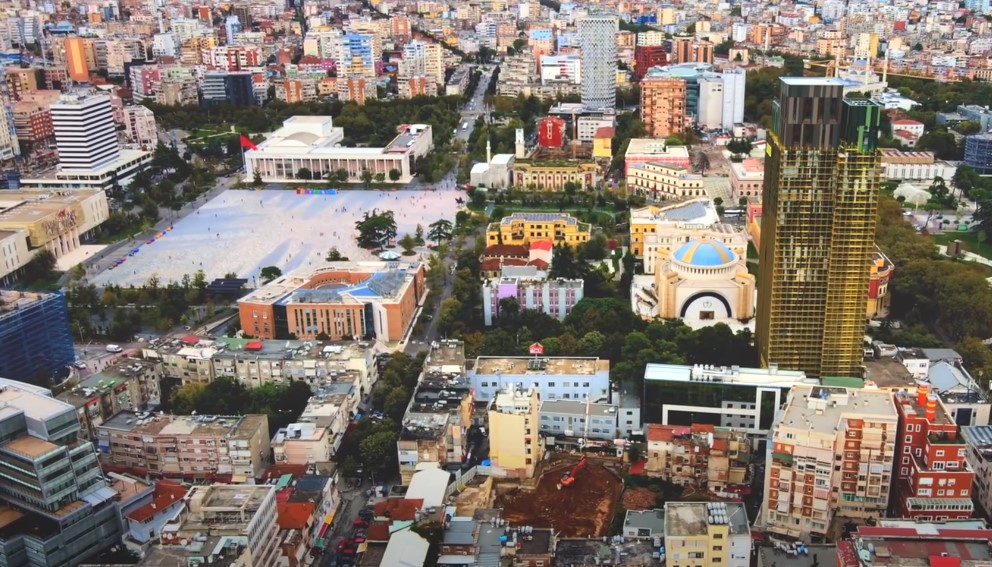
Albania has become far more popular with foreign residents, and that popularity has changed prices. Tirana and coastal places such as Sarandë and Ksamil can become expensive during summer, but inland towns and year-round leases remain more reasonable.
The Albanian economy has continued to grow, supported in part by tourism and construction. Faster growth improves services, but it also means old claims about extremely cheap coastal living should be treated carefully.
Albania still offers Mediterranean weather, mountains, beaches and historic sites at lower prices than nearby Italy, Croatia or Greece. Long-term renters should negotiate outside the summer season and confirm that a landlord will register the lease when required.
Our view: Albania remains good value, but the best savings are now found away from the most photographed beach towns.
14. Serbia

Serbia offers lower costs than most of Western Europe, good internet and a strong café culture. Belgrade is the main draw, but it also has the country’s highest rents. Novi Sad, Niš, Kragujevac and smaller towns usually stretch a budget further.
The country’s history and culture attract visitors who want a city base with easy access to rivers, mountains and neighboring Balkan countries.
Serbia has also received attention as a base for remote workers and foreign entrepreneurs. Claims that it is extremely cheap need qualification, since rent in central Belgrade has risen sharply.
The country’s agricultural production helps keep seasonal fruit, vegetables, meat and bakery products reasonably priced.
Novi Sad provides a calmer alternative to Belgrade, and Serbia’s national parks offer affordable weekend travel.
Our view: Serbia remains useful for lower-cost European city life, but central Belgrade now requires a proper housing budget.
13. Georgia

Georgia gained a strong reputation among freelancers because of its food, mountain scenery, internet access and relatively simple entry rules for many nationalities. Tbilisi has since become more expensive, especially in neighborhoods popular with foreigners.
Local restaurants, public transportation and fresh produce can still be cheap. Georgian identity is closely connected to food and its traditional qvevri wine-making method.
The former Remotely from Georgia program helped establish the country as a remote-work destination. Longer stays now depend on nationality, current entry rules, tax residence and the legal basis used to remain in the country.
Our view: Georgia is no longer the secret bargain it once was, but it can still offer good value outside the most expensive parts of Tbilisi and Batumi.
12. North Macedonia

North Macedonia remains one of the quieter and less expensive options in the Balkans. Skopje offers the largest selection of apartments, healthcare and services, while Bitola and other regional towns can be cheaper.
Ohrid is the best-known destination. The UNESCO-listed natural and cultural region draws heavy summer demand, so long-term renters may find better prices away from the lake or outside the main season.
Events such as the Skopje Jazz Festival give the capital a stronger cultural calendar than its size might suggest.
Our view: North Macedonia suits people who want slower city life and low everyday costs without moving far from the rest of Europe.
11. Philippines
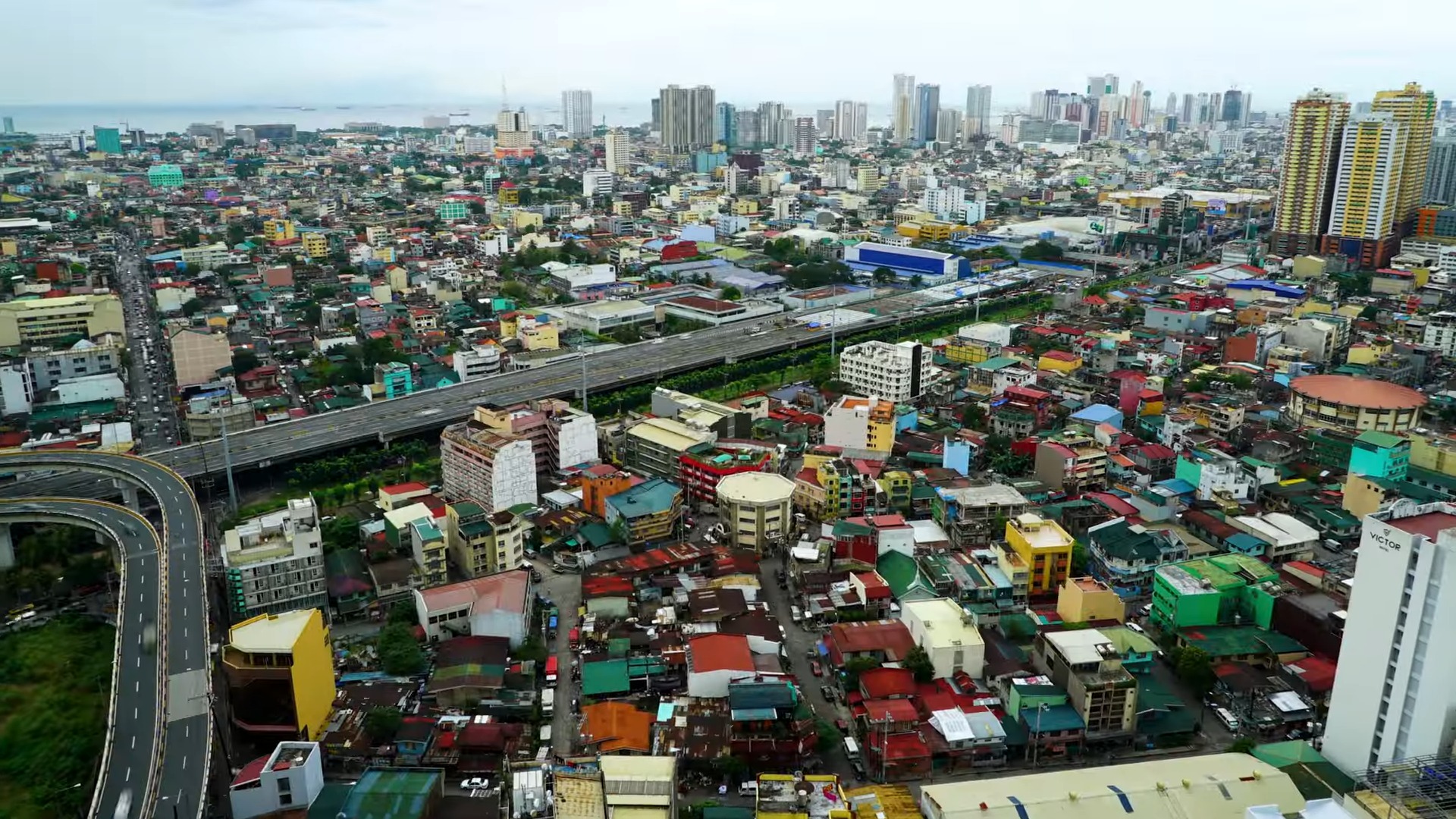
The Philippines attracts foreign residents with English-language access, warm weather and a wide choice of cities and islands. Local meals, domestic help and transportation can be affordable, but imported food, dependable electricity and modern apartments can raise the budget.
The country has more than 7,000 islands, so location changes almost everything. Metro Manila can be expensive and congested. Dumaguete, Iloilo and parts of Cebu may offer a more manageable balance.
The country’s continued economic development has improved services in many urban areas, although infrastructure and specialist healthcare remain uneven outside larger centers.
The importance of family, hospitality and the sea remains central to daily Filipino culture.
Our view: The Philippines works best for people who value English access and can choose a city with reliable healthcare, transport and internet.
10. Indonesia

Indonesia can be very affordable, but Bali should not be used as a price guide for the entire country. Areas such as Canggu, Seminyak and central Ubud have experienced strong demand from foreign residents, pushing up housing costs.
Other islands and cities often provide better value. Yogyakarta, Malang and parts of Java offer cheap local food, transport and furnished rentals. People planning island life should budget for private medical care, flights and imported goods.
Bali remains only one part of a country filled with different islands and coastal destinations. Farther west, the tropical rainforest heritage of Sumatra shows the scale of Indonesia’s natural diversity.
Our view: Indonesia is cheap when you live locally and avoid the most fashionable foreign districts. A Western-style villa lifestyle can cost far more.
9. Guatemala
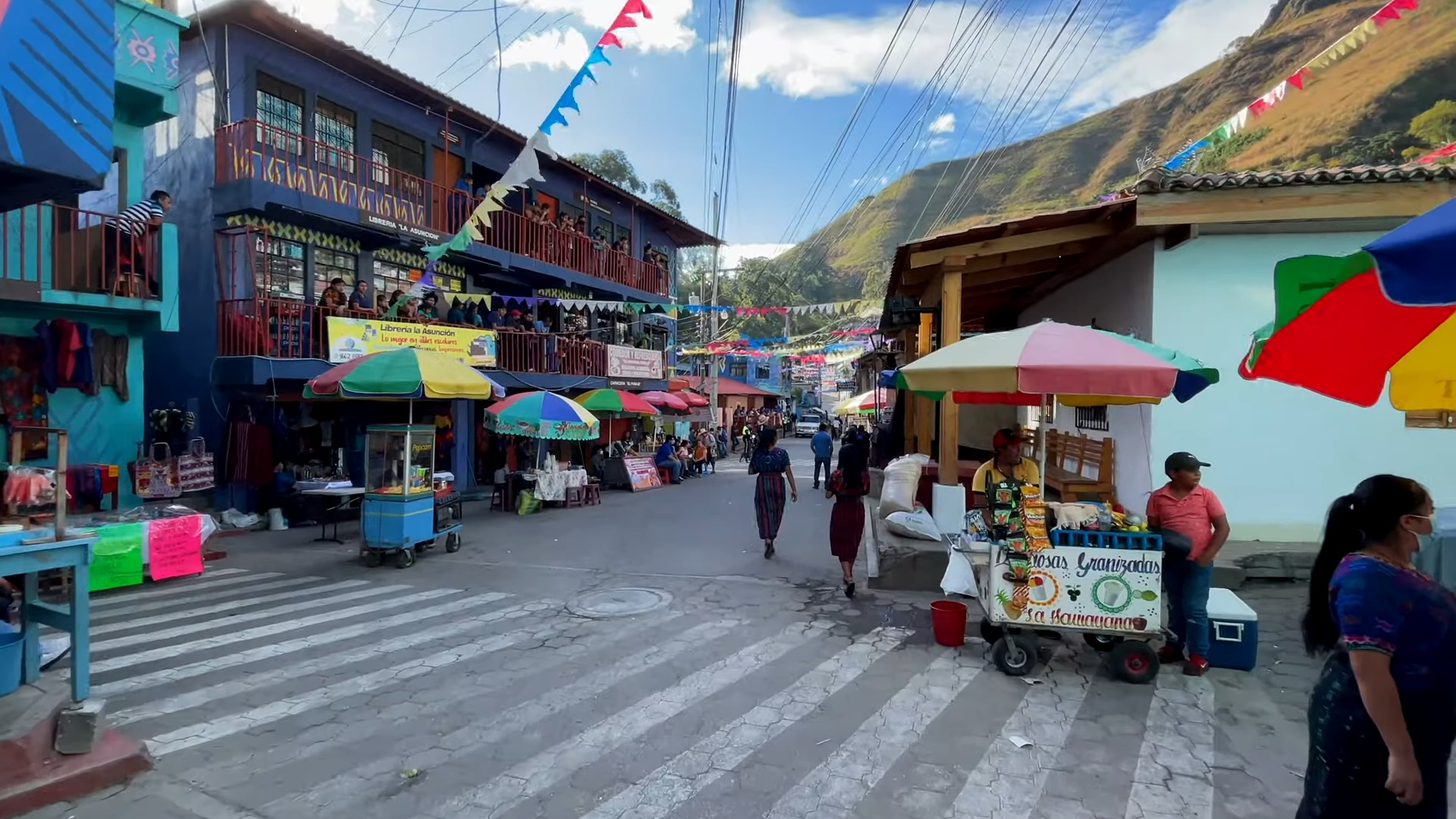
Guatemala offers low-cost food, local buses and housing outside premium tourist areas. Antigua and the most popular Lake Atitlán communities can be expensive by local standards, but other towns remain accessible on a modest foreign income.
The country’s identity is deeply connected to Maya history. Travelers can visit major archaeological sites including Tikal and live near the volcanic landscape surrounding Lake Atitlán.
Safety differs by city and road. Foreign residents should avoid choosing housing from social media alone and should speak with people who already live in the exact neighborhood.
Our view: Guatemala can offer an inexpensive and culturally rich base, but location and personal security planning matter as much as rent.
8. Vietnam

Vietnam remains one of the strongest choices for people who want low daily costs, large cities and excellent local food. Hanoi and Ho Chi Minh City provide the widest selection of apartments and services, but Da Nang often offers a calmer pace and easier access to the coast.
The country’s traditions, regional food and family culture are a major part of daily life. Local meals and produce remain inexpensive, although imported groceries and apartments marketed to foreigners can cost much more.
Ho Chi Minh City works for people who want a large commercial center. Da Nang attracts residents who prefer beaches and a smaller urban area.
Weekend travel includes the ancient town of Hoi An, mountain regions and a long coastline.
Our view: Vietnam offers some of the best day-to-day value in Asia, but people planning to remain long term must understand current visa and work rules.
7. Cambodia
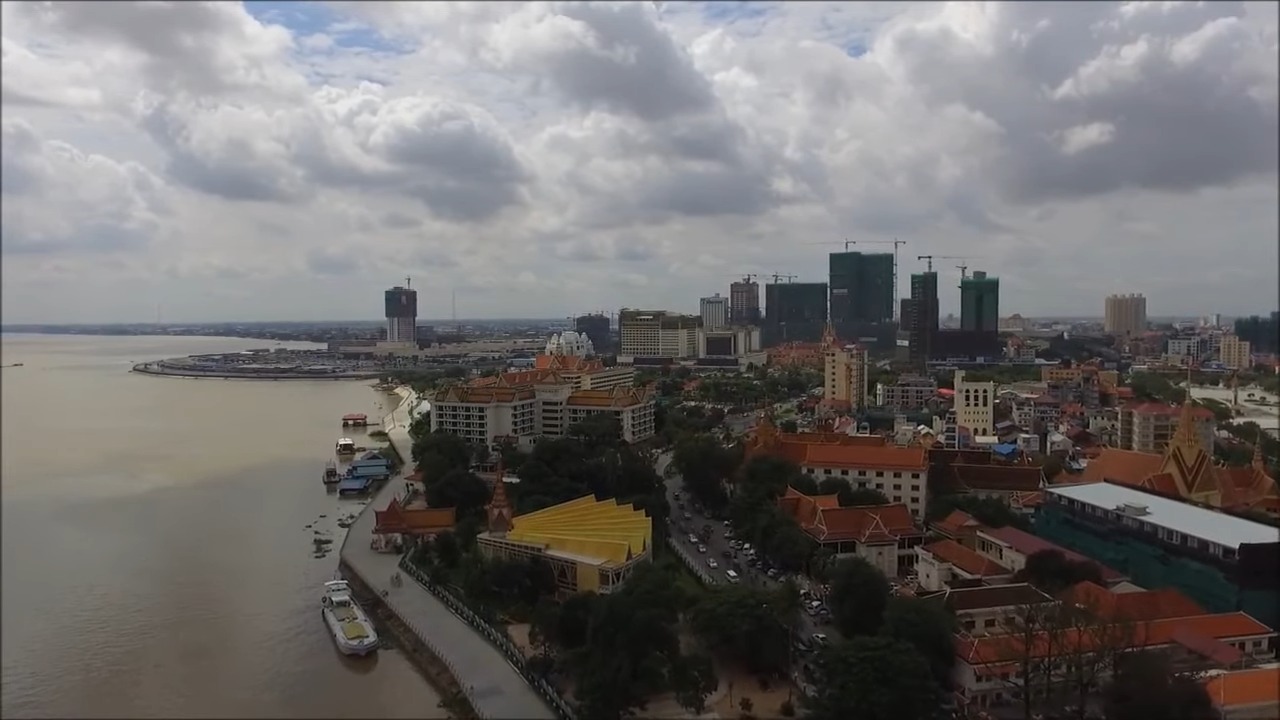
Cambodia combines low rents, inexpensive local food and a sizeable foreign community. Phnom Penh provides the best access to hospitals and international services. Siem Reap offers a smaller-city pace near the Angkor Wat temple complex.
Housing can be cheap, but newer apartments with generators, elevators and reliable management command higher prices. Private medical insurance is important because serious cases may require care in Thailand or another nearby country.
Coastal living remains possible around Kampot, Kep and the islands. Development around Sihanoukville and Koh Rong has changed prices and the feel of some areas.
Our view: Cambodia is genuinely inexpensive, but the healthcare plan should be decided before the apartment.
6. Paraguay

Paraguay receives less international attention than neighboring Argentina and Brazil, but it offers low housing costs, modest taxes and inexpensive locally produced food. Asunción is the main center for private healthcare, business and international connections.
Life can be slower outside the capital, although public transport and infrastructure may be limited. Summers are very hot, and air conditioning can become a major household expense.
The country includes large rivers and the Gran Chaco region, one of South America’s most important natural areas.
Our view: Paraguay is a strong option for people seeking quiet, low-cost living and who do not need the services of a major international city every day.
5. Bolivia
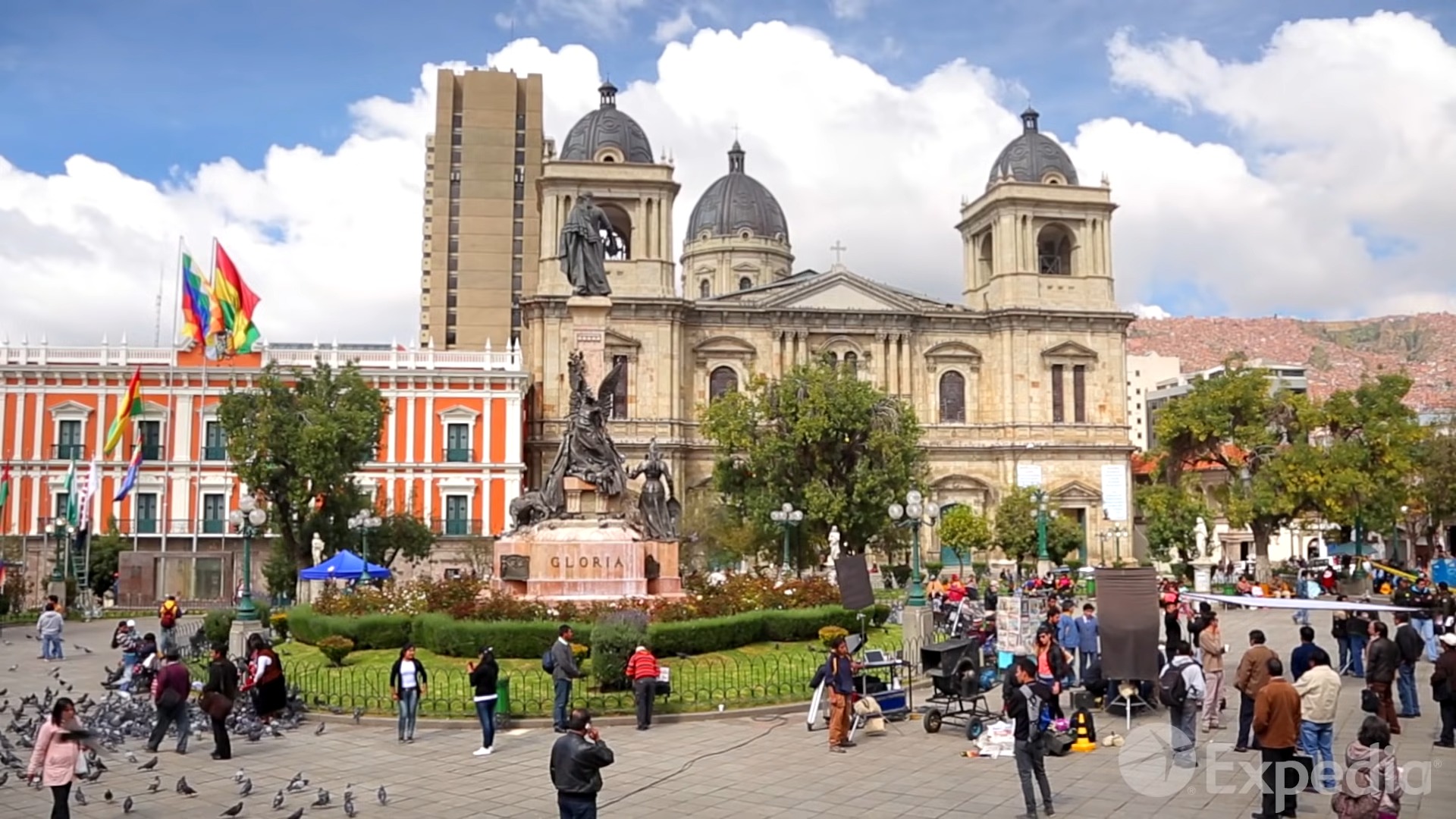
Bolivia has some of the lowest housing, restaurant and transport prices in South America. La Paz offers dramatic mountain scenery and urban services, but its altitude can be difficult for new arrivals. Cochabamba and Santa Cruz provide different climates and daily routines.
The country’s agricultural economy is documented by the Food and Agriculture Organization. Local markets can be very inexpensive, especially for seasonal produce and basic household goods.
Bolivia’s best-known landscapes include the Salar de Uyuni salt flats and the high Andes. Roadblocks, demonstrations and transport disruptions can affect travel, so residents need flexibility.
Our view: Bolivia offers very low costs, but altitude, infrastructure and political interruptions make it better suited to adaptable residents.
4. Nepal

Nepal remains inexpensive for local food, transportation and simple accommodation. Kathmandu offers the broadest selection of housing and services, but air pollution and traffic can reduce its appeal. Pokhara is quieter and popular with people who want mountain access.
The country is known for the Himalayas and Mount Everest, but daily life is not limited to trekking. The healthcare system continues to develop, although specialist care can be limited outside major cities.
Long-distance routes include the Annapurna Circuit and Everest Base Camp. The plains are home to Lumbini, recognized as the birthplace of Buddha.
Our view: Nepal suits people who value a simple lifestyle and outdoor access more than polished infrastructure.
3. Egypt

Egypt ranks among the world’s least expensive countries for daily purchases, especially for people paid in a stronger foreign currency. Rent, local meals, taxis and domestic services can cost far less than in Europe or North America.
Rapid inflation and currency changes can make budgets difficult to predict. A foreign resident may benefit from exchange rates, but Egyptian households face a very different financial reality.
The country is often called the cradle of an ancient civilization. Its best-known monuments include the Egyptian pyramids, the Giza complex and the Sphinx, and the temples around Luxor.
People who prefer the coast often compare Hurghada and Sharm El Sheikh. Cairo provides the strongest services but also brings congestion, noise and air pollution.
Our view: Egypt can be extremely cheap for foreign-currency earners, but inflation, bureaucracy and location require careful planning.
2. India

India’s size makes a single national price difficult to use. Mumbai and central Delhi can be expensive, particularly for modern housing. Smaller cities and regional centers can offer very low costs for food, transport, domestic services and rent.
The country’s cultural and linguistic diversity means daily life changes greatly between states. A population of more than one billion people supports huge local markets for nearly every service and product.
The importance of agriculture to the Indian economy helps keep many locally grown foods accessible, although imported products can be expensive.
India is particularly easy for vegetarians. Religious and cultural destinations range from yoga centers in Rishikesh to the temples of Varanasi.
Our view: India offers extraordinary value, but choosing the right city matters more than its national rank.
1. Pakistan
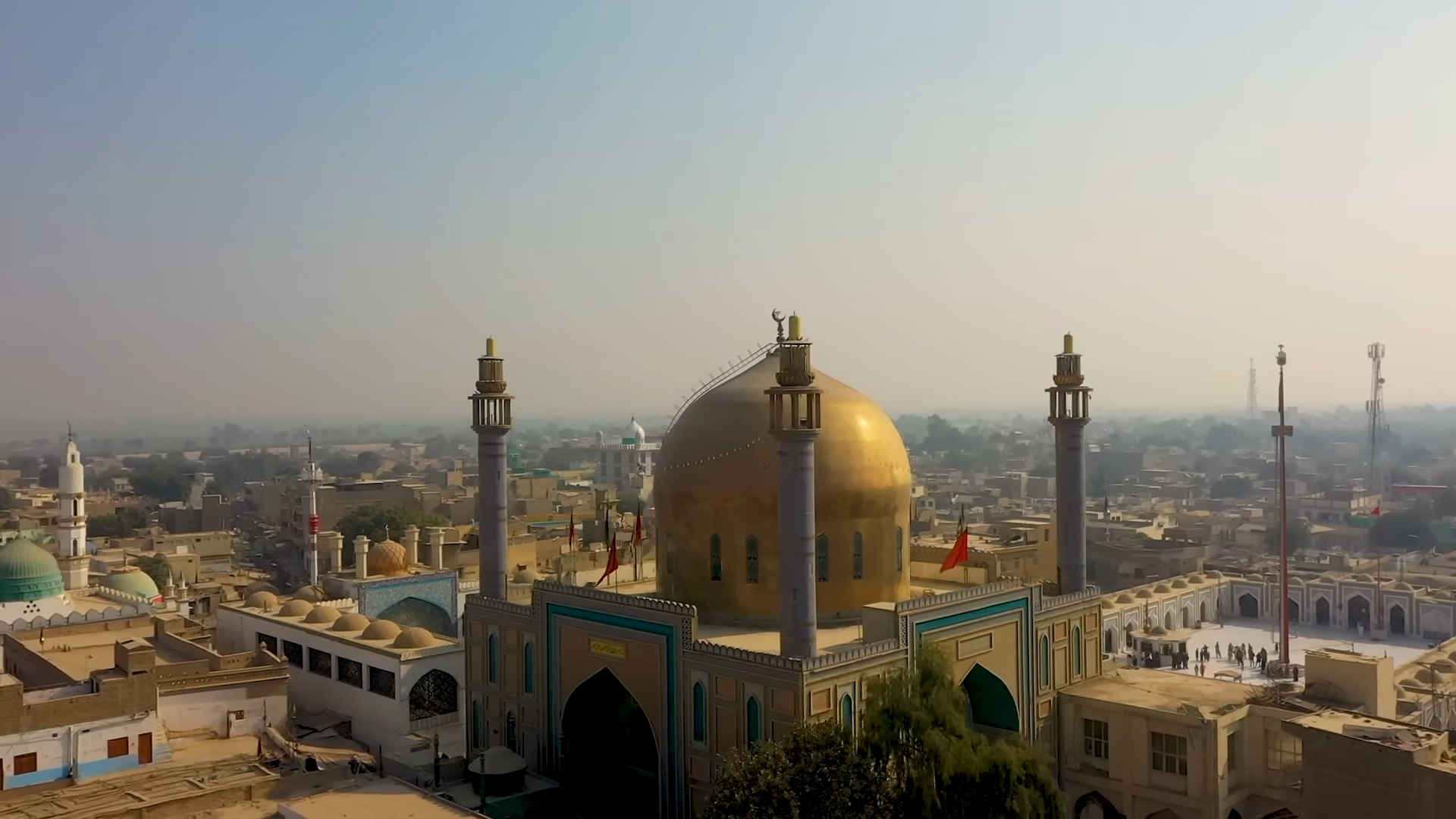
Pakistan appears at or near the bottom of several global cost indexes, making it one of the least expensive countries for housing, local food and transportation. Lahore, Islamabad and Karachi provide the largest range of services, although their prices, climate and security conditions differ sharply.
Low prices alone should not determine a move. Foreign residents need current information about regional security, local laws, visas and areas where travel is restricted. The latest official travel guidance for Pakistan should be reviewed before any trip or relocation decision.
Landscapes range from northern mountain valleys to the Thar Desert in Sindh. Historic sites include the ruins of Mohenjo-Daro, Lahore’s Mughal buildings and old trading routes through the north.
Our view: Pakistan may be the cheapest country in the ranking, but it is not the easiest or safest choice for an unfamiliar foreign resident. Local knowledge is essential.
The Cheapest Country Is Not Always the Best Choice
A country can rank near the bottom of a cost index because wages are low, its currency has weakened or political conditions have reduced foreign demand. None of those factors automatically gives a newcomer a comfortable life.
Healthcare, legal residency, safety, air quality and dependable infrastructure may matter more than saving another $100 on rent. Remote workers also need to check electricity, internet reliability, tax residence and permission to work before choosing a destination.
Mexico, Romania, Bulgaria, Serbia and Vietnam may cost more than Pakistan or Egypt, but they can offer a more practical balance for many readers. Personal needs should decide the final choice.
FAQ
How reliable is the internet in Vietnam for remote work?
Internet service is generally reliable in Hanoi, Ho Chi Minh City and Da Nang. Remote workers should still ask a landlord for a speed test and check mobile coverage inside the apartment before signing a lease.
Is healthcare in Mexico suitable for retirees?
Mexico has respected private hospitals and doctors in many larger cities. Retirees should compare insurance policies, exclusions and the distance to a suitable hospital. Quality and access can differ considerably between regions.
Should foreign residents move to Ukraine because housing is cheap?
No ordinary move should be based on cheap housing during an active war. People with family, humanitarian or professional reasons to remain need current security information and a clear emergency plan.
What is the foreign community like in Indonesia?
Bali has a large international community, particularly around Canggu, Ubud and parts of the south. Those areas are also far more expensive than much of Indonesia. Smaller cities may offer better value with fewer services aimed at foreigners.
Are vegetarian and vegan meals easy to find in India?
Yes. Vegetarian food is common across India, although ingredients and preparation methods differ by region. Vegan diners should ask about dairy products such as ghee, paneer and yogurt.
Is traveling between islands in the Philippines difficult?
Domestic flights and ferries connect major islands, but weather can cause delays. Residents who need regular specialist healthcare should consider living near a large airport and hospital.
Can remote workers still use the Remotely from Georgia program?
The original program should not be treated as a current visa guarantee. Entry rights depend on nationality, and working remotely can create tax or residency obligations. Applicants should check current Georgian government rules before moving.
Does the cheapest country also offer the cheapest foreign lifestyle?
Not always. Foreign residents may pay more for furnished housing, private healthcare, imported food and visa services. A country with slightly higher local prices may become cheaper overall when it offers better public services and fewer unexpected costs.
Final Thoughts
The cheapest countries to live in 2026 are spread across Asia, Eastern Europe, Latin America and the Balkans. Pakistan, India and Egypt sit near the bottom of global price indexes, but their low costs come with practical issues that cannot be ignored.
Vietnam, Romania, Bulgaria, Mexico and Serbia may offer a better balance for readers who want affordability without giving up reliable city services. Cambodia, Nepal, Bolivia and Paraguay suit people who can adapt to weaker infrastructure and a slower pace.
Before moving, spend enough time in the exact city to experience ordinary life rather than a holiday. Shop for groceries, visit a pharmacy, test the internet and travel through the neighborhood at night. A low national average is useful, but the daily reality of one street will matter far more.