
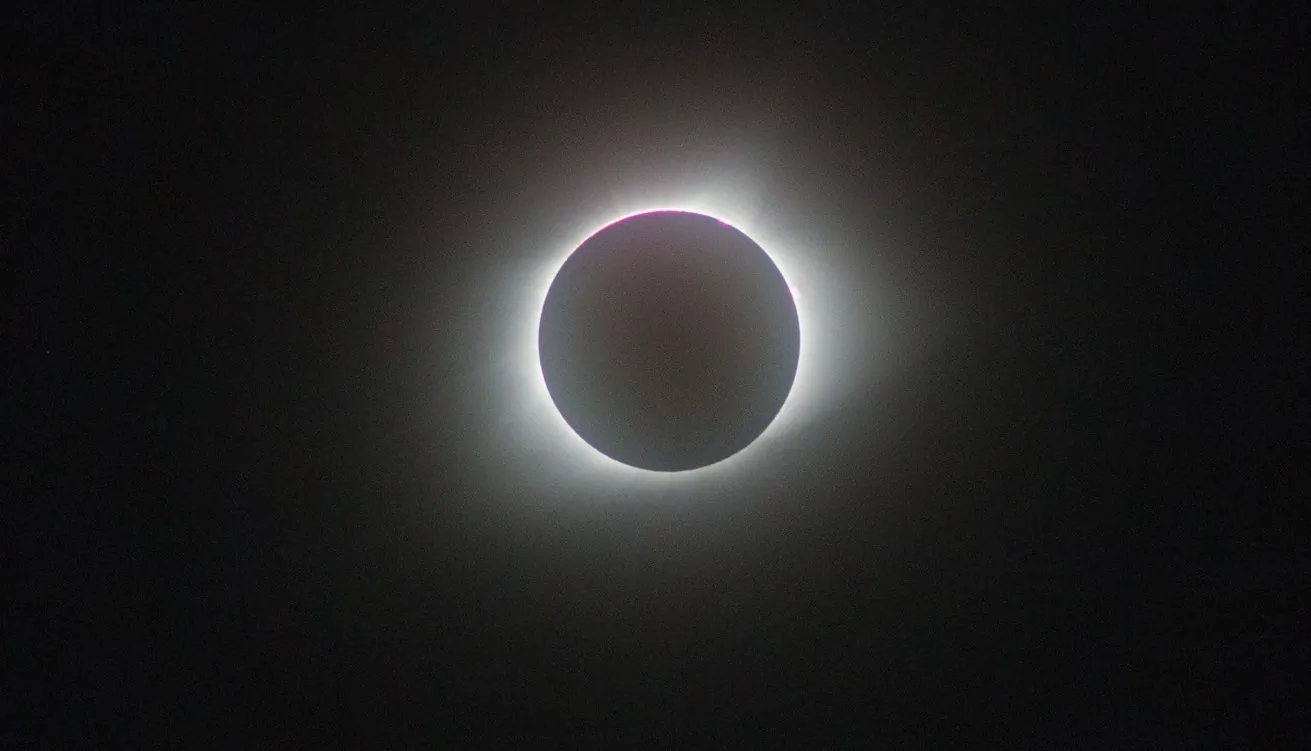
On August 12, the Moon will pass directly between Earth and the Sun and send a narrow shadow through the Arctic, Greenland, Iceland and parts of Europe, causing a total solar eclipse in certain parts of the globe.
For people standing inside that narrow path, the Sun will disappear completely for a short time. Daylight will fade, the temperature will drop and the solar corona will become visible around the dark outline of the Moon.
For everyone outside that path, the event looks very different. Much of Europe, Canada and part of the northern United States will see only a partial eclipse, with the Moon covering a portion of the Sun.
Where the August 12 Solar Eclipse Will Be Total?
According to NASA eclipse maps, the path of totality begins in far northern Russia before crossing the Arctic and moving through Greenland, Iceland, the Atlantic Ocean, northern Spain and a very small part of northwestern Portugal.
Greenland and Iceland will experience totality during the late afternoon or early evening. By the time the shadow reaches Spain, the Sun will already be sitting low in the western sky.
Space.com is following preparations along the eclipse path, with reporters positioned in Greenland and northern Spain ahead of August 12.
Iceland Gets One of the Best Seats
Iceland sits almost directly in the path and will see the Sun completely covered from parts of the country.
Reykjavik lies close enough to the totality zone for the eclipse to become a major event, while western Iceland offers even better positioning.
The obvious problem is weather. Iceland can produce cloud cover quickly, and an eclipse trip planned months in advance can still come down to what the sky looks like during a two-minute window.
Even thin clouds do not necessarily destroy the experience. Space.com notes that the rapid darkening of the landscape can remain visible through lighter cloud, although a clear view is needed to properly see the corona surrounding the Moon.
Spain Will See Totality Just Before Sunset
Northern Spain may produce the most dramatic photographs from this eclipse.
The total eclipse arrives late in the day, with the Sun positioned very low above the western horizon. Cities and regions along the path include parts of Galicia, Asturias, Castile and León, Aragón, Catalonia and the Balearic Islands.
That low position creates another problem for anyone planning to watch: buildings, hills and mountains can block the Sun before totality even begins.
A viewing location with an open western horizon will therefore be far more useful than simply standing somewhere inside the eclipse path.
The Balearic Islands are also inside the totality zone, giving visitors another possibility away from mainland Spain.
Will the United States See the Eclipse?
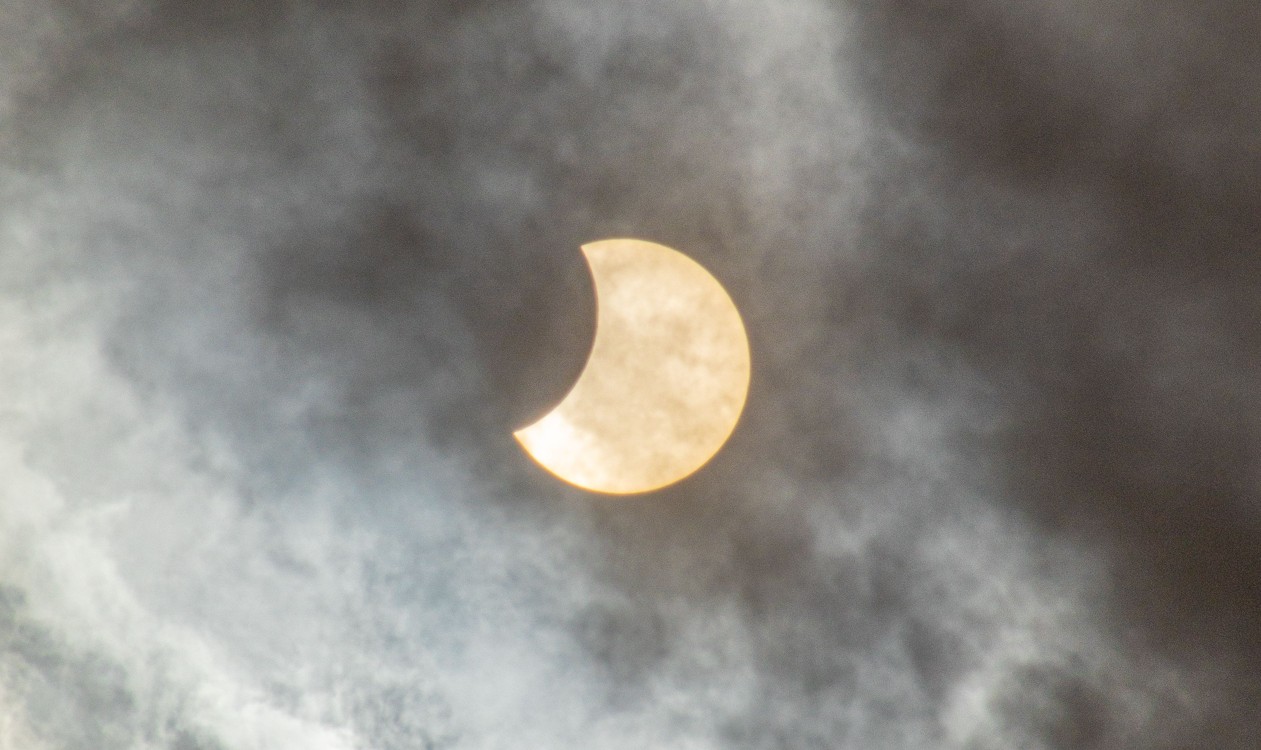
Yes, although nowhere in the United States will experience totality.
NASA says parts of the northern US will see a partial solar eclipse, stretching from Alaska through sections of the northern states and as far south and east as North Carolina.
The Moon will cover a larger portion of the Sun in northern locations. Alaska and parts of the Northeast will therefore get a more noticeable eclipse than areas farther south.
Canada gets a broader view, with much of the country seeing at least part of the eclipse. Eastern Canada will experience it during the afternoon.
For US observers, August 12 is therefore worth watching, although anyone expecting the dramatic darkness seen during the April 2024 total eclipse will need to adjust expectations. Totality remains confined to the much narrower path farther north and east.
Europe Gets a Much Bigger Show
Outside Spain, most European countries will experience a partial eclipse.
Britain, Ireland, France, Germany, Italy and large portions of northern and western Europe will see varying amounts of the Sun covered as evening approaches.
In several locations, the eclipse will still be underway when the Sun reaches the horizon. NASA describes this as a sunset eclipse, with the partially covered Sun disappearing while the event is still in progress.
Parts of northwestern Africa will see the same effect.
Timeanddate lists the global eclipse timeline, with the partial phase beginning at 15:34 UTC and totality first appearing at 16:58 UTC. Maximum eclipse occurs globally at 17:46 UTC, and the final location leaves totality at 18:34 UTC.
Total Eclipse Will Be Short
For most people inside the path, complete darkness will last less than two minutes.
That may sound brief, because it is. The Moon shadow moves rapidly over Earth, and the exact duration depends on how close an observer is to the center of the totality path.
The experience also changes quickly. During the minutes before totality, daylight begins to look unusual and shadows sharpen. When the final piece of direct sunlight disappears, the corona becomes visible and the surrounding landscape drops into twilight.
Then the process reverses just as quickly.
This is why eclipse observers put so much effort into location. Someone standing outside the path can have 99% of the Sun covered and still miss the defining part of a total eclipse. That remaining sliver of sunlight is bright enough to keep the corona hidden.
You Still Need Eclipse Glasses
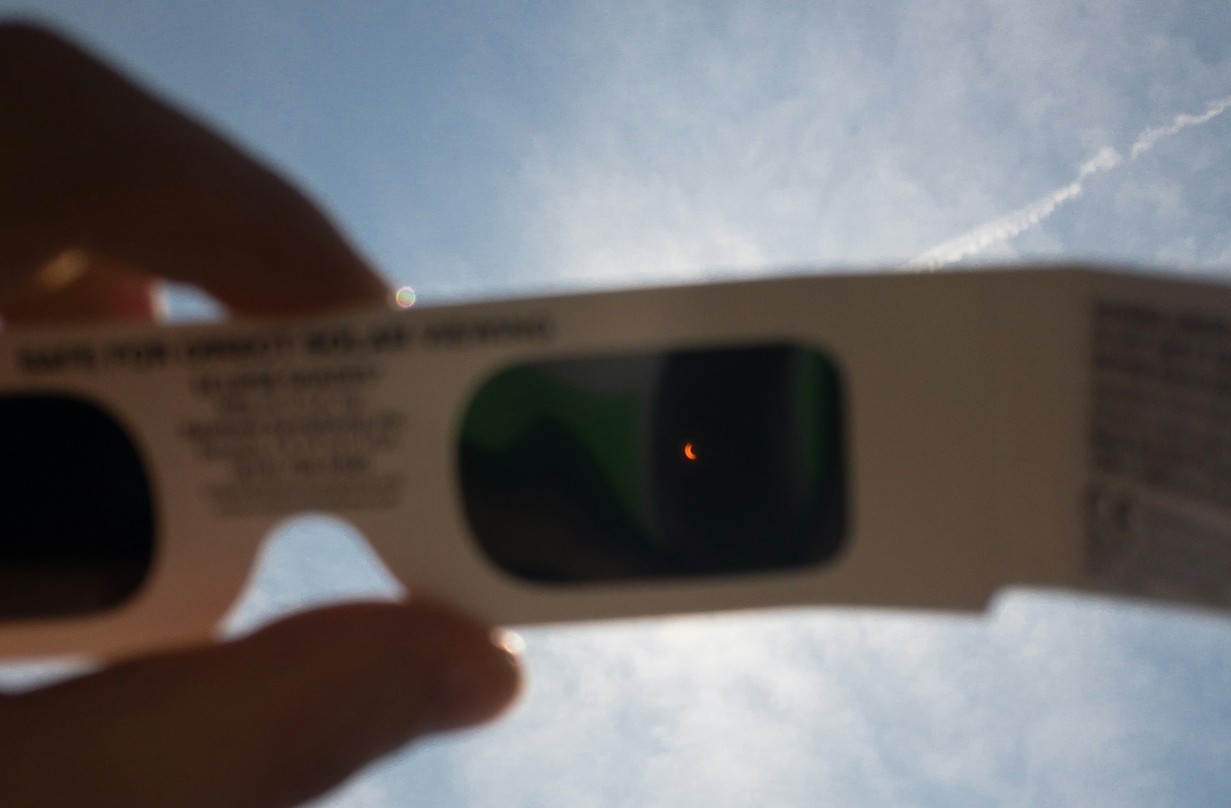
The same safety rule from the 2024 eclipse still applies.
During any partial phase, looking directly at the Sun without proper solar protection can damage the eyes. Ordinary sunglasses do not provide enough protection.
NASA advises using eclipse glasses that meet the ISO 12312-2 international standard or using an indirect viewing method such as a pinhole projector.
People inside the path of totality can remove eclipse glasses only during the brief period when the Sun is completely covered. The glasses need to go back on as soon as direct sunlight begins returning.
The Next Few Days Will Come Down to Weather
The geometry of the eclipse is predictable down to seconds. The weather is the part nobody can lock down this far in advance.
Cloud forecasts for Greenland, Iceland and Spain will become much more useful during the final two or three days before August 12, and serious eclipse watchers may change locations at the last minute if conditions look poor.
NASA will also stream the eclipse live beginning at 1:15 p.m. EDT, which gives people outside the path a way to follow totality as the Moon shadow moves from the Arctic toward Europe.
For anyone already in Spain, Iceland or Greenland, however, this is one of those days when being in exactly the right place changes everything. A partial eclipse is interesting. Totality is an entirely different event.
References
- NASA, Total Solar Eclipse on August 12, 2026
- NASA Scientific Visualization Studio, Map of the August 12, 2026 Total Solar Eclipse
- Space.com, Total Solar Eclipse August 12, 2026 Live Updates
- Timeanddate, Total Solar Eclipse on August 12, 2026