
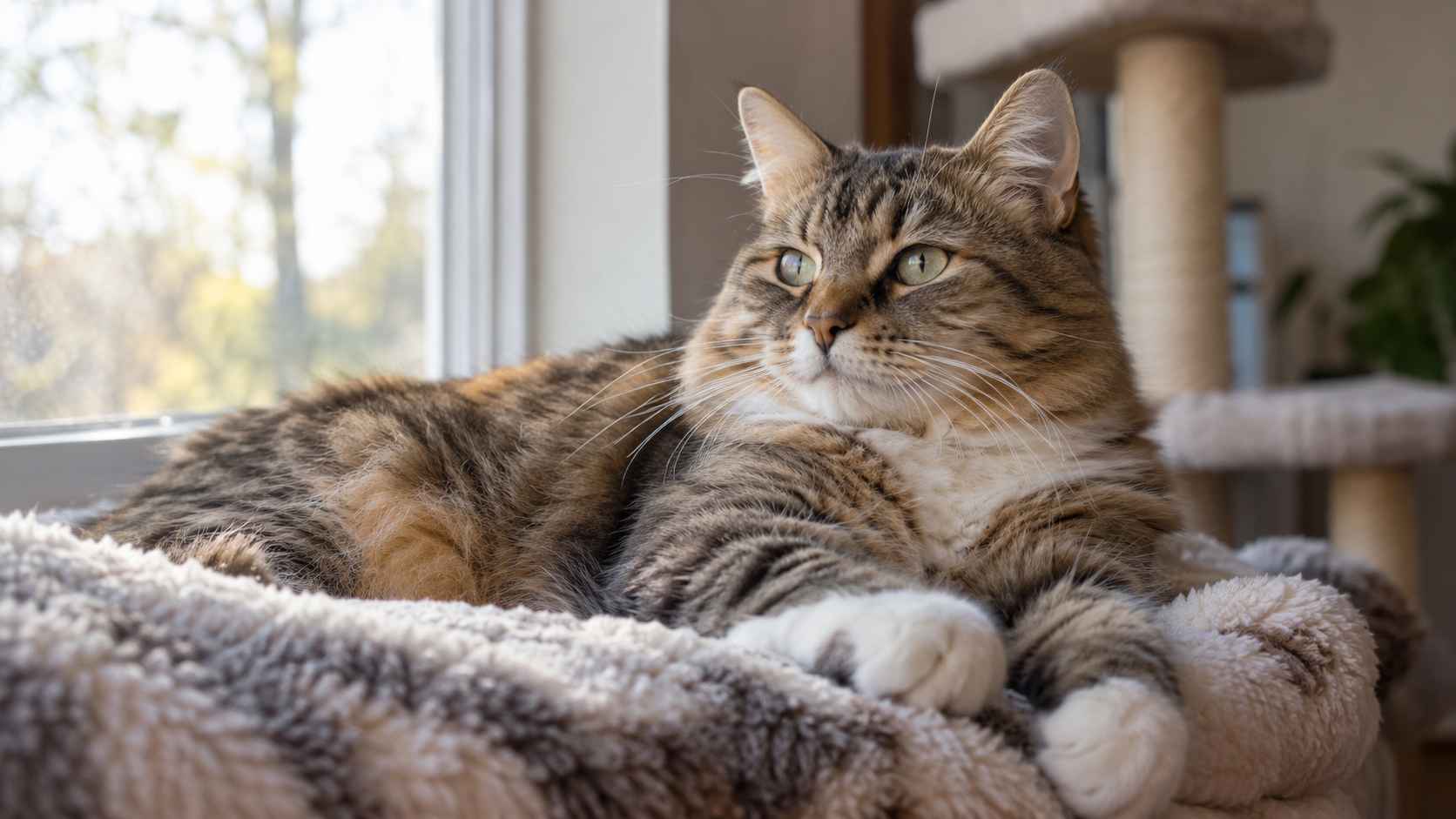
Most pet cats can live well into their teens, and reaching 18 or even 20 is far from impossible. Some spend their senior years sleeping in sunny windows, demanding dinner at exactly the same time every evening and behaving as though getting older is everyone else’s problem.
But how long do cats actually live? A major veterinary study published in 2024 found an average life expectancy of 11.7 years among cats receiving veterinary care in the United Kingdom. Burmese and Birman cats had the longest estimated lifespans among the breeds studied, at 14.4 years.
Those numbers might seem low if you know someone with a 19-year-old cat. The research includes cats that died young, which pulls down the average. A healthy cat that has already reached its tenth birthday has a better outlook than the lifespan figure assigned at birth suggests.
Breed certainly plays a role, but a cat’s everyday life is just as important. Indoor safety, body weight, inherited health problems and veterinary care can all influence how many years you spend together.
The Average Lifespan of Domesticated Cats
The Royal Veterinary College’s cat lifespan research examined 7,936 recorded cat deaths in UK veterinary practices during 2019. Researchers calculated average remaining life expectancy at various ages, including birth.
The result was 11.74 years across the study population. Female cats had an estimated life expectancy of 12.51 years, compared with 11.18 years for males.
Many healthy household cats reach 15 years or older. A cat that avoids accidents, maintains a healthy weight and receives appropriate medical care may live considerably longer than the population average.
There is also an important difference between life expectancy at birth and the age a cat eventually reaches. The first includes early deaths. A cat already living comfortably at 12 has survived those earlier risks and may have several years ahead.

Average Cat Lifespan by Breed
If you are choosing a kitten, breed lifespan estimates offer some useful information, but they cannot tell you exactly how long your future companion will live.
The 2024 study published in the Journal of Feline Medicine and Surgery produced the following estimates.
| Cat Breed | Average Life Expectancy |
|---|---|
| Burmese | 14.4 years |
| Birman | 14.4 years |
| Mixed Breed | 11.9 years |
| Siamese | 11.7 years |
| Persian | 10.9 years |
| Ragdoll | 10.3 years |
| Norwegian Forest Cat | 10.0 years |
| Maine Coon | 9.7 years |
| Russian Blue and Other Russian Cats | 9.7 years |
| British Shorthair and Related British Breeds | 9.6 years |
| Bengal | 8.5 years |
| Sphynx | 6.7 years |
Source: Teng and colleagues, 2024, VetCompass UK study. Figures represent estimated life expectancy at birth, not the maximum lifespan of each breed. Some breed groups contained relatively few recorded deaths, making their estimates less precise. The results should not be treated as guaranteed lifespans for cats in the United States.
The researchers also found that crossbred cats had a longer average life expectancy than purebred cats as a group. However, individual breeds varied considerably.
Burmese and Birman Cats

Burmese and Birman cats shared the highest estimated life expectancy in the study, at 14.4 years.
Burmese cats are known for being sociable and active, and many enjoy following their owners around the house. Birmans are generally affectionate cats with a calmer temperament.
Both breeds can develop inherited health problems, so their relatively high life expectancy should not replace responsible breeding practices or veterinary screening.
The study included 45 Burmese deaths and 38 Birman deaths. Those are fairly small samples, meaning the estimates carry more uncertainty than the figure for mixed-breed cats.
Siamese Cats

Siamese cats had an estimated life expectancy of 11.7 years. Some reach their late teens and twenties, although not every cat will.
The breed is famously vocal and social. Siamese cats often enjoy company, climbing and interactive play, so a home with opportunities for activity suits their temperament.
Regular health examinations remain important, particularly as they get older. Kidney problems, dental disease and other conditions can affect senior cats of any breed.
Persian Cats

Persian cats had an estimated life expectancy of 10.9 years in the 2024 research.
Their long coats need regular grooming, and the breed’s characteristic facial structure can contribute to breathing and eye problems, especially in cats with extremely flattened faces.
Anyone considering a Persian kitten should pay close attention to the health of its parents and ask about screening for inherited conditions. The Universities Federation for Animal Welfare explains the health risks associated with extreme facial shortening in Persian cats.
Maine Coon and Ragdoll Cats
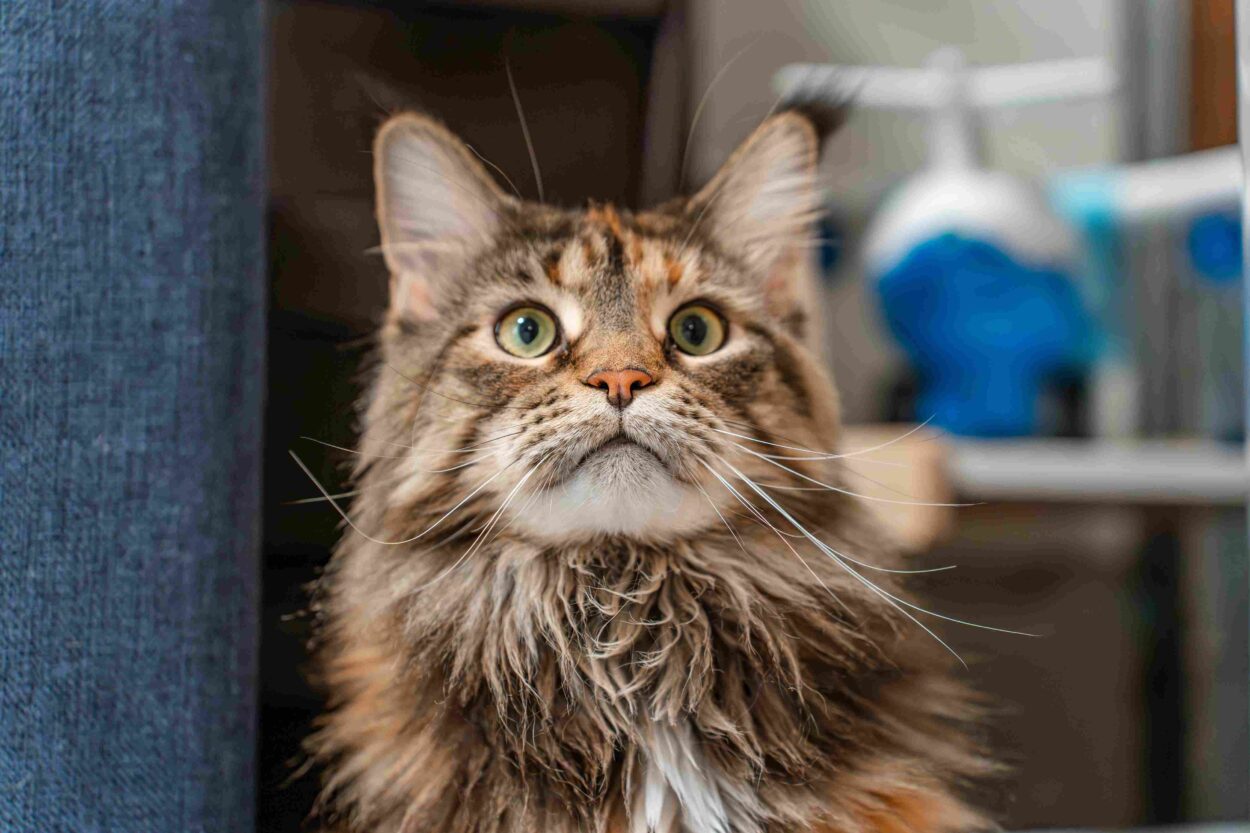
Maine Coons are among the largest domestic cat breeds, yet their estimated life expectancy in the study was 9.7 years. Ragdolls reached 10.3 years.
Both breeds can inherit hypertrophic cardiomyopathy, a disease that causes thickening of the heart muscle. Screening and responsible breeding can help identify cats at risk.
The Cornell University veterinary cardiology service provides specialist evaluation for heart diseases affecting pets, including cats.
Neither figure means a Maine Coon or Ragdoll is unlikely to celebrate its 15th birthday. Smaller study samples and differences between breeding lines make individual predictions difficult.
Sphynx Cats
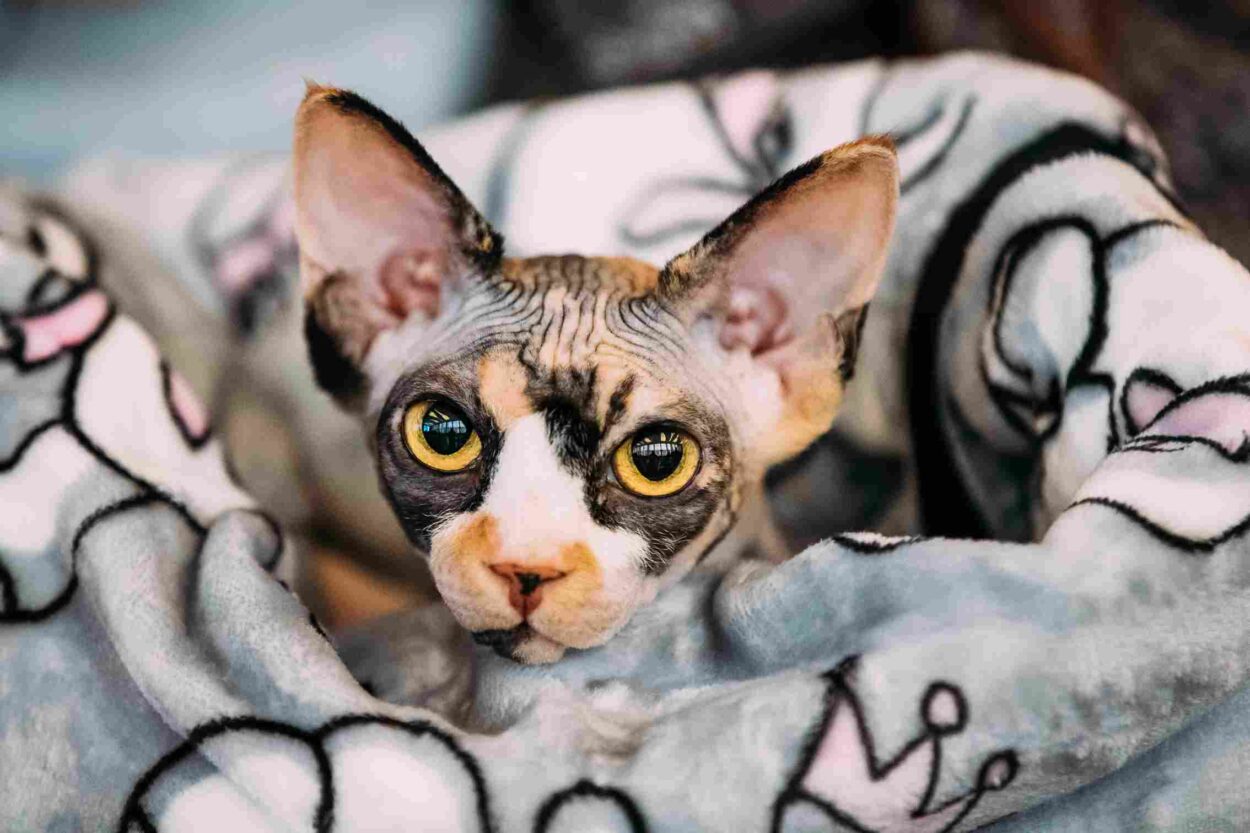
Sphynx cats recorded the shortest estimated life expectancy in the study at 6.7 years, based on 18 deaths.
That result attracted considerable attention because many Sphynx cats live much longer. The small sample means researchers could not establish a precise expected lifespan for every Sphynx population.
The breed is susceptible to hypertrophic cardiomyopathy, and hairless cats also need special attention to skin care and temperature regulation.
If you are considering a Sphynx, ask the breeder about heart screening and the health of older relatives. The individual cat’s medical history is more informative than taking 6.7 years as an expiration date.
Do Indoor Cats Live Longer Than Outdoor Cats?
Keeping a cat indoors removes several serious hazards. Cars, fights with other animals, predators and exposure to infectious diseases are among the risks associated with roaming outdoors.
An indoor cat still needs more than food, water and a comfortable sofa, though.
The 2024 feline indoor and outdoor lifestyle statement from the American Association of Feline Practitioners explains that indoor cats need climbing spaces, hiding places, opportunities to play and suitable areas for resting and toileting.
Without enough activity and stimulation, indoor cats can develop stress-related behavioral problems and gain excess weight.
For cats that enjoy fresh air, a secured outdoor enclosure or supervised harness walk offers access to the outdoors with fewer hazards than unrestricted roaming.
There is no reliable universal rule saying every indoor cat lives a particular number of years longer than every outdoor cat. Their health, environment and access to veterinary care also influence survival.
What Actually Helps Cats Live Longer?
Most owners cannot control their cat’s genes. They can, however, reduce several preventable health risks and recognize problems before they become serious.
Keeping a Healthy Weight
Extra weight places strain on a cat’s joints and increases its risk of conditions such as diabetes. Excessively low body weight may also indicate illness.
The 2024 VetCompass study associated non-ideal body weight with shorter life expectancy, although an association does not prove that weight alone caused earlier deaths.
Regular weighing and monitoring body condition are useful habits. Our guide to cats struggling to gain weight covers possible reasons for unexpected weight changes.
A healthy cat should generally have ribs that can be felt without heavy pressure and a visible waist when viewed from above. Your veterinarian can assess body condition for the cat’s age and build.
Scheduling Veterinary Visits Before Something Goes Wrong
Cats are remarkably good at hiding discomfort. A cat with painful teeth or early kidney disease may still eat, sleep and greet its owner with few obvious changes.
The AAHA and AAFP feline care guidelines advise at least annual veterinary examinations, increasing to every six months for senior cats.
Regular visits create opportunities to identify dental problems, weight changes and age-related disease. Depending on the cat’s condition, a veterinarian may recommend blood tests, urine testing or blood pressure checks.
Paying Attention to Bathroom Habits
Changes in litter box habits sometimes offer the earliest warning of a medical problem.
A cat that suddenly begins urinating more frequently, straining, producing unusually small amounts of urine or avoiding its litter box may have a urinary condition. Straining with little or no urine, especially in a male cat, is an emergency.
Unexpected changes in stool frequency are also worth investigating. Our article on frequent bowel movements in cats examines digestive symptoms and possible underlying conditions.
Sudden urine spraying around the house can be related to territorial stress, although physical illness needs to be ruled out when the behavior appears unexpectedly.
Keeping Cats Active and Comfortable
Daily play helps indoor cats exercise and practice their natural hunting behaviors. Fishing-rod toys, food puzzles and climbing structures can encourage activity without requiring a large home.
Cats also need places where they feel safe. In homes with several pets, separate feeding areas and enough litter boxes can reduce competition.
Stress may appear through changes in grooming, appetite or social behavior. Unusual hissing and defensive behavior can indicate fear, pain or conflict with another animal.
Our guide to everyday pet health and preventive care also covers nutrition, dental hygiene and caring for aging pets.
When Is a Cat Considered Old?

A ten-year-old cat may still chase toys, jump onto furniture and act much like it did at five. Veterinary medicine nevertheless classifies cats older than ten as seniors.
The AAHA feline life stage guidelines use four main age groups.
| Life Stage | Cat Age |
|---|---|
| Kitten | Birth to 1 year |
| Young Adult | 1 to 6 years |
| Mature Adult | 7 to 10 years |
| Senior | Older than 10 years |
Senior does not mean unhealthy. A 13-year-old cat with a stable weight, comfortable movement and normal appetite may still enjoy an excellent quality of life.
Aging does increase the likelihood of certain diseases, including chronic kidney disease, arthritis and thyroid disorders. Gradual changes are especially easy to miss.
Watch for increased drinking, unexplained weight loss, difficulty jumping and changes in grooming. Long-haired cats that once maintained their coats independently may need assistance as they age. Our article on normal cat shedding and coat changes provides additional context for changes in fur condition.
Can Cats Live for 20 Years?
Yes. Some cats live for more than 20 years, and a small number reach ages that sound almost unbelievable.
The most famous example is Creme Puff, a domestic cat from Austin, Texas, who lived for 38 years and three days. According to Guinness World Records, she was born on August 3, 1967, and died on August 6, 2005.
Creme Puff was an extraordinary exception. Her record should not create an expectation that ordinary cats can reach their thirties through a particular diet or household routine.
For most owners, reaching the late teens is already a significant milestone. A cat that turns 18 has spent nearly two decades sharing a home with its family.
View this post on Instagram
How Many Years Does an Older Cat Have Left?
If your cat is already 10 or 12, the life expectancy shown in a breed table can be misleading. Those figures describe expected lifespan from birth, including cats that died much younger.
The same VetCompass research calculated remaining life expectancy at different ages. A cat that survives to an older age has already passed many of the risks included in the original estimate.
A healthy 12-year-old may have several more years ahead, especially with appropriate care and treatment of emerging conditions. An individual prognosis depends on medical history, current health, mobility, appetite and quality of life.
Annual and twice-yearly examinations become particularly valuable at this stage. The AAFP senior cat care guidelines explain how examinations and conversations with owners help veterinarians identify age-related changes.
The aim is not simply to extend life at any cost. Keeping a senior cat comfortable, interested in food, able to move without significant pain and engaged with its surroundings is equally important.
A breed average may give you a starting point, but it will never know your particular cat. Its health, the care it receives and the life it leads are far more useful than treating a number in a table as a deadline.