
One of the world’s smallest countries has officially changed its name.
The Pacific island nation known internationally as Nauru will now be called the Republic of Naoero, bringing its official name into line with the word used in the country’s own language and communities.
The change is pronounced “Now-ero,” rather than the “Now-roo” pronunciation widely used for Nauru. Citizens will be known as dei-Naoero instead of Nauruans, and the country’s three-letter international code is expected to change from NRU to NRO.
President David Adeang described the decision as a return to the country’s identity rather than the creation of a new one.
Why Nauru Changed Its Name to Naoero?
The name Naoero was used on the island long before European colonization. The government says the shortened form Nauru became established internationally because foreign visitors found the traditional name difficult to pronounce.
Over time, Nauru became the name used by foreign governments, international organizations and English-language maps. Naoero remained present in daily speech, national symbols and the country’s coat of arms.
When he proposed the change, Adeang said the traditional name more accurately represented the country’s heritage, language and national identity.
“Naoero is not a new name seeking acceptance by the people,” the president said in announcing the decision. He argued that it was already the identity used by the population and therefore did not require public approval through a referendum.
Reuters reported that parliament approved a constitutional amendment in May as part of the renaming process.
A Planned Referendum Was Dropped
The government initially said voters would be asked to confirm the name change in a national referendum.
That plan was later abandoned following discussions among lawmakers. Officials said a referendum was unnecessary because Naoero was already recognized in the Constitution, spoken by residents and displayed on national symbols.
The government presented the decision as a restoration of an existing name rather than a political rebranding imposed on the country.
The Guardian said that lawmakers completed the required rounds of voting, although questions remained over the final publication of every constitutional change.
Government documents were already using “Republic of Naoero” by late June and early July, showing that the administrative transition had begun before the latest public announcement.
The United Nations Has Already Adopted Naoero
The name change is already appearing internationally.
The country informed the United Nations of the decision on June 26, 2026. The organization now lists the country as Naoero on its official member-state website.
The United Nations confirms that the formal name is now the Republic of Naoero.
Foreign ministries in Australia and New Zealand have also started using the new name. Diplomatic websites operated by the United States and China in the Pacific region have made similar changes.
Other updates will take longer. Maps, passports, government forms, international databases and aviation records will need to be revised. National ships and aircraft are also expected to adopt the Naoero name.
Where Is Naoero?
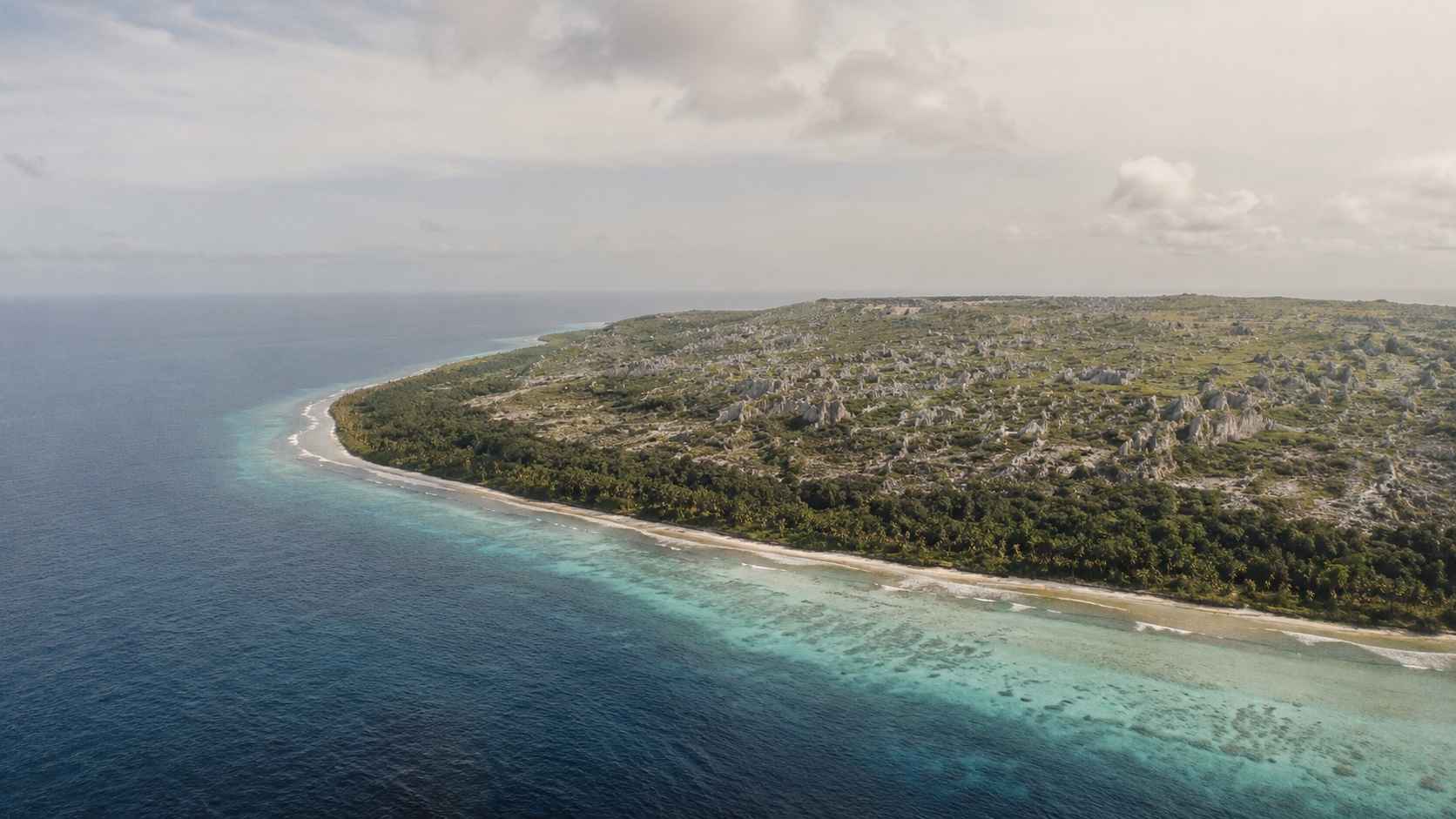
Naoero is a small coral island in the central Pacific, northeast of Australia and close to the Equator.
It has a population of roughly 12,000 and covers about eight square miles, making it one of the smallest independent countries by both population and land area.
The island has no official capital city. Government offices are based in the district of Yaren, which functions as the administrative center.
Germany colonized the island during the 19th century. Australia later administered it, at different points alongside Britain and New Zealand, before the country became independent in 1968.
Phosphate Once Made the Island Extremely Wealthy
Naoero’s modern history has been shaped by phosphate mining.
Large deposits formed from seabird droppings made the island one of the world’s richest countries per person during the 1970s. Phosphate exports funded public services, overseas investments and generous government spending.
The boom did not last. The most valuable deposits were gradually exhausted, investments failed and public finances deteriorated. By the 1990s, the country faced a severe economic crisis.
Mining also left much of the island’s interior damaged and difficult to use. Jagged limestone formations remain across areas where the surface was stripped away.
The environmental damage matters because the country now needs more usable land as rising seas threaten homes and infrastructure around the coast.
Climate Change Gives the Name Change a Wider Meaning
The country’s future is closely tied to climate change.
Most homes, roads, government buildings and services sit along a narrow coastal strip. Higher seas, erosion and stronger storms threaten those areas, leaving the damaged interior as one of the few places where communities could eventually move.
The government has started work on a long-term plan to relocate infrastructure to higher ground. It has also introduced an investment-based citizenship program intended to raise money for climate adaptation.
Against that background, the return to Naoero carries more weight than a routine alteration to maps and official documents. It arrives as the country tries to protect both its physical territory and its cultural identity.
Naoero Joins Other Countries Restoring Traditional Names

Several countries have changed the names used internationally to reflect their own languages or move away from labels associated with colonial rule.
Swaziland became Eswatini in 2018. Turkey asked the United Nations to use Türkiye in 2022. Other examples include the change from Ceylon to Sri Lanka and from Upper Volta to Burkina Faso.
Naoero’s change is more subtle because the traditional name never disappeared from local life. The government is asking the rest of the world to use the name its people continued to recognize.
What Changes From Now On?
The immediate difference will be visible in official references.
International organizations, governments and media outlets will gradually replace Nauru with Naoero. Citizens will be described as dei-Naoero, and government institutions will operate under the Republic of Naoero name.
Older documents and historical references will continue to use Nauru. Both names are likely to appear together during the transition, particularly on maps, travel websites and databases that update at different speeds.
For residents, the government says the change simply places the country’s established identity at the center of its international name.
Nauru has not disappeared from history. Naoero is the name the country has chosen for its future.